Sütaş Publishes Sustainability Progress Report
Sütaş Releases Sustainability Progress Report
In 2021, Sütaş met 80 per cent of its electricity needs through renewable energy generated from farm manure and organic waste, and plans to raise this ratio to 100 per cent by 2025. Revising its solar power plant investment target upwards from 10 MW to 25 MW, Sütaş also aims to source 50 per cent of its heat energy requirements from renewable sources.
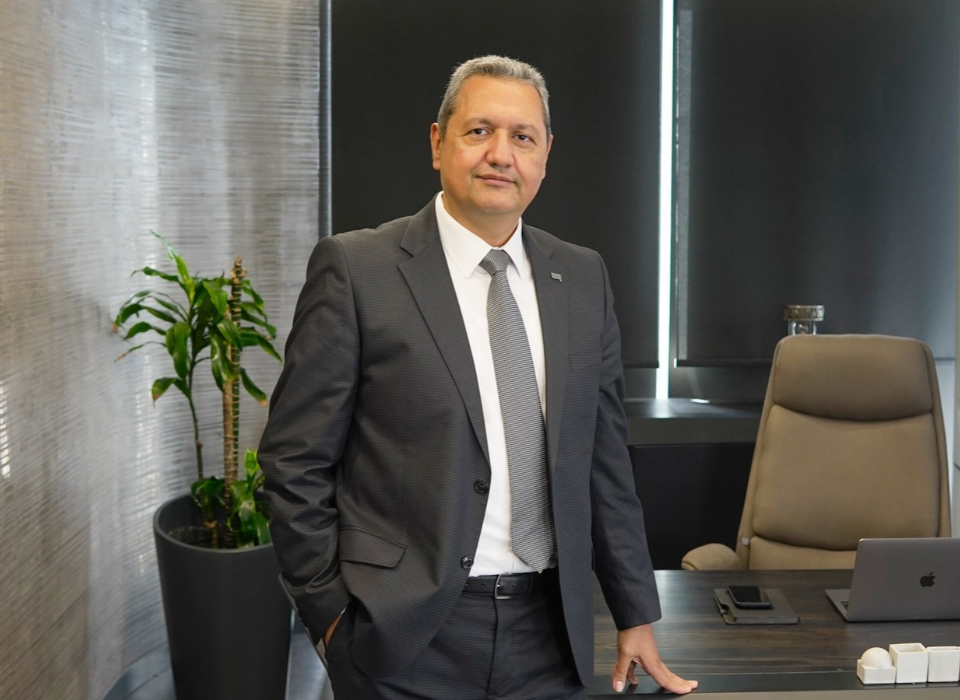
Sütaş, which has embedded sustainability into its core through its "Farm to Table" Integrated Business Model and aims to contribute to "individual health and wellbeing," "community development and prosperity," and "environmental sustainability," has released its "2021 Sustainability Progress Report." Duygu Yılmaz, Chairman of the Sütaş Sustainability Committee, expressed that Sütaş is pleased to share with the public the activities it is conducting in line with its 2025 targets and its 2021 sustainability performance: "2021 was a year in which the effects of the COVID-19 pandemic on our daily lives came under a degree of control.
However, we continue to collectively experience its irreversible consequences. When the pandemic's uncertainty combined with the conflict unfolding near us in the opening months of 2022, the fragility of energy and food supply became more apparent. As a result, the transformation of agricultural and food systems has begun to occupy a stronger position on the world's sustainability agenda alongside climate change.
Fortunately, our "Farm to Table" business model, which provides both supply security and supply chain integration, enables us to continue our operations uninterrupted amid all these uncertainties and changes. With our business model rooted in sustainability, we continue to contribute daily to the environment, society and individuals," he said.
Greenhouse Gas Emissions Down 11 Per Cent Year-on-Year
According to the 2021 Sustainability Progress Report shared by Sütaş with the public, Sütaş sourced 80 per cent of the total electricity needs of its production facilities from farm manure and factory organic waste. In 2021, greenhouse gas emissions showed an 11 per cent decline compared to the previous year, and the amount of greenhouse gas emissions that Sütaş prevented while generating renewable energy exceeded the greenhouse gas generated by its production activities by 117 per cent. Since 2013, when the biogas facilities were established, emissions equivalent to the sequestration of a total of 38 million trees have been prevented.Sütaş Raises Solar Power Capacity Target to 25 MW
Planning to increase renewable energy use, Sütaş has focused on solar power plant (SPP) investments for this purpose. Sütaş, which is preparing to commission a 1 MW hybrid SPP investment at the East-Southeast Anatolia Dairy Project, Bingöl Integrated Facilities by January 2023, has begun work to install SPP on the roofs of its farm facilities and factories in Tire, Aksaray and Bingöl. Raising its SPP investment target from 10 MW to 25 MW, Sütaş aims to produce renewable energy equal to 50 per cent of its heat energy requirements.Both Product Yield and Soil Carbon Storage Capacity Are Being Increased
Believing that regenerative agriculture is the path to ensuring future generations have access to sufficient, healthy and quality food and making agriculture sustainable, Sütaş shared in its progress report the results it has achieved in this direction. Using its organic and organo-mineral fertiliser to improve the organic structure of soil in fields where forage crops are grown, Sütaş aims to increase both product yield and soil carbon storage capacity. In this scope, the amount of organic matter added to fields by Sütaş reached approximately 42,000 tonnes in 2021, up from 33,000 tonnes in 2020. By 2025, Sütaş targets adding 50,000 tonnes of organic matter to fields annually."Farm to Table" Business Model Supports Regional Development
The "Farm to Table" integrated business model, which has the characteristics of a "Regional Development Model" in terms of its economic and social impacts and inclusivity, stimulates many different sub-sectors in agriculture, industry and services. Through its contractual model, Sütaş supports feed producers it works with in cooperation by assisting them with many matters from soil preparation to appropriate seed selection, development of efficient irrigation systems, provision of organic and organo-mineral fertiliser and harvesting activities, thereby increasing their productivity. According to 2021 data, Sütaş conducted contract-based forage production with 593 contracted producers on approximately 34,000 decares of land, procured a total of 170,000 tonnes of rough forage and made payments of TRY 61 million to producers. Sütaş also works with milk producers, conducting information sessions, inspections and providing proper feed guidance, which resulted in a 6.3 per cent increase in their productivity compared to the previous year. Milk producers generated regular income of TRY 2.6 billion from 802 million litres of milk in 2021.Contributing to Sector Development
Sütaş, which prioritises contributing to sector development and developing the qualified workforce the sector needs, has continued to provide free training to milk producers at Dairy Cattle Husbandry Training Centres, although this slowed during the pandemic period. Sütaş provides training to producers on the knowledge, expertise and experience required to obtain quality high-yield milk, as well as on environmental protection, fertiliser utilisation and financial sustainability. At the same time, it continues to provide practical classes, workplace training and internship opportunities to students studying in university departments at the facilities' locations that develop workforce for the dairy value chain.Advertisement
Ad Space728 × 90