Tüpraş and USTDA Partner on Small Modular Reactor Technologies
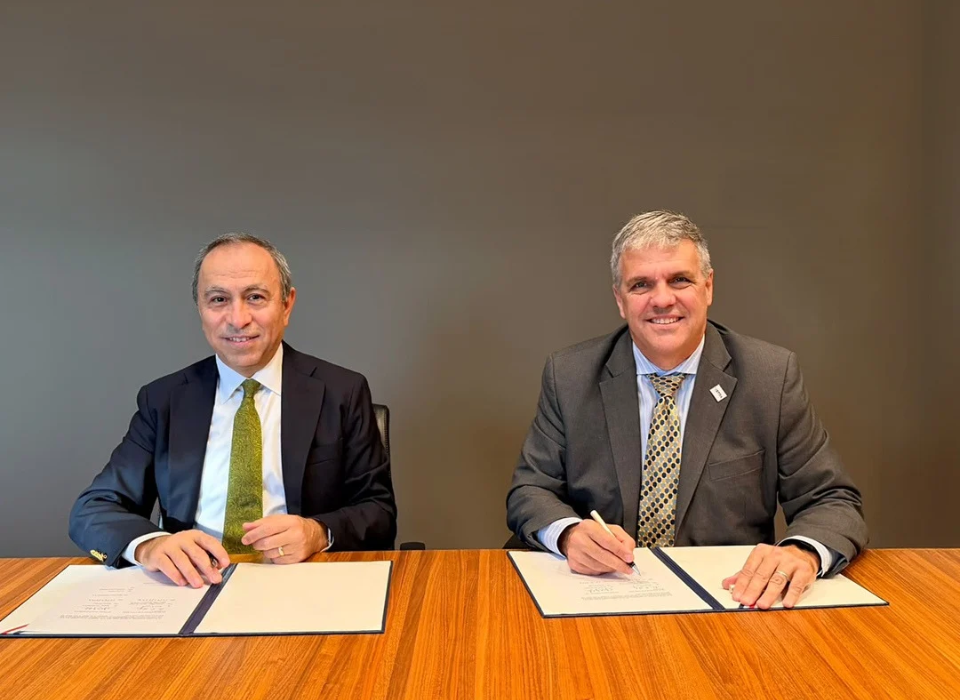
Tüpraş continues its efforts in low-carbon energy technologies in line with its goal of becoming a carbon-neutral energy company by 2050. As part of this effort, the company signed a cooperation agreement with the U.S. Trade and Development Agency (USTDA) to evaluate small modular reactor (SMR) technologies in terms of their technical, economic and potential industrial applications.
Implementing its Strategic Transformation Plan in line with its “Our Energy for the Future” approach, Tüpraş is evaluating technologies and business models that will support the transition to a low-carbon economy. Closely monitoring next-generation energy technologies that can contribute to energy supply security and the decarbonization of industry, the company is launching a comprehensive review of small modular reactor technologies through the agreement signed with USTDA.
Within the scope of the study, which is planned to take approximately one year, different SMR technologies will be evaluated in terms of their technical maturity levels, licensing status, safety and security approaches, fuel supply chain requirements, economic performance and potential industrial use areas. The technologies will also be examined within the framework of environmental sustainability criteria such as resource efficiency, waste management and water use. At the end of the study, a comprehensive report will be prepared on the technology options evaluated.
A holistic approach to energy transformation
Tüpraş is carrying out its transformation strategy—which covers sustainable refining, sustainable aviation fuels, zero-carbon electricity and next-generation energy technologies—with a holistic approach. Accordingly, the company is tracking the development of different technologies, their commercial maturity levels and the potential contributions they could make to the energy transition.
Small modular reactor technologies are attracting increasing interest worldwide due to their potential to generate uninterrupted, low-carbon energy. Nuclear energy is considered among the low-carbon energy options because it does not produce direct carbon emissions during operation and has low greenhouse gas emissions throughout its life cycle.
SMR technologies offer different industrial applications
Small modular reactors, which have smaller capacities compared to conventional nuclear power plants and benefit from a modular production approach, hold potential for use not only in electricity generation but also in areas such as supplying process heat needed in industry and producing low-carbon hydrogen.
SMR technologies, whose development, licensing and commercialization efforts are ongoing in different regions of the world, are among the next-generation energy technologies thanks to their modular production approach, different capacity options and advanced safety features.
In line with the regulatory and institutional efforts being carried out in accordance with Türkiye’s goal of reaching 5,000 MWe of SMR capacity by 2050, Tüpraş is also closely monitoring global technological developments and possible industrial application areas.
The report to be prepared through the cooperation with USTDA is aimed at providing information and analysis on different technology options and serving as an input into the decision-making processes regarding possible steps Tüpraş may take in this field.
Advertisement
Ad Space728 × 90