The Silent Origin Story of Nutrient Delivery

The effective delivery of nutrients to the body is not solely a matter of nutritional science. Pharmaceutical science, materials science, manufacturing engineering, agriculture and space research have all contributed important tools to this field. Today, the real question is not how much of a nutrient is added to a product, but how much of it reaches the body in the right form and at the right time.
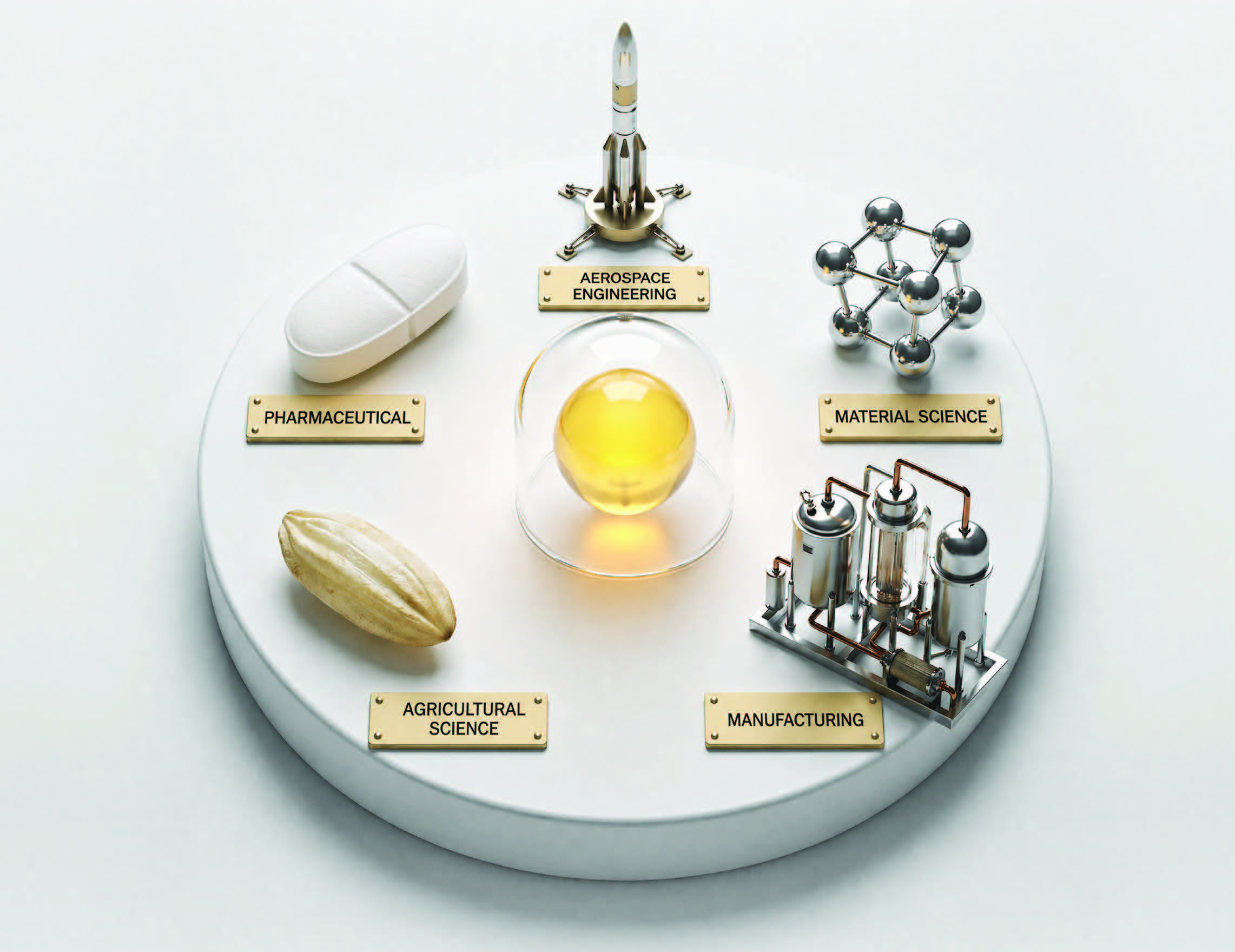

1. Pharmaceutical Science: From the Label to the Dose Reaching the Body
Pharmaceutical science evaluates the success of a formulation not merely by the amount of active substance it contains, but by the extent to which this substance actually reaches the body. The same approach is also important for fat-soluble vitamins and minerals.
BCS assesses oral absorption through solubility and permeability.
Absolute bioavailability indicates the fraction of the administered dose that reaches systemic circulation.
ICH Q1A defines accelerated stability testing under conditions of 40°C/75% relative humidity.
The core message is clear: what matters is not so much the amount stated on the label, but the amount that actually reaches the body.
2. Materials Science: Measuring the Delivery System
Materials science makes the performance of delivery systems more predictable through physical measurements. These measurements enable the protection and release behavior of the system to be evaluated before it reaches the consumer.
1Zeta potential and particle size provide information about encapsulation stability and release behavior.
The molecular weight of PLGA2 and the lactide:glycolide (L:G)3 ratio help control the release duration.
4NLC (Nanostructured Lipid Carrier) systems demonstrate superior performance compared to SLN5 (Solid Lipid Nanoparticle) systems in terms of nutrient loading capacity and stability. Moreover, release data obtained in the laboratory can reliably predict the behavior of the delivery system in vivo.
The relationship between dissolution data and in vivo behavior (IVIVC)6 allows formulation performance to be assessed at an earlier stage.
3. Manufacturing: Controlling Quality Within the Process
Quality is not merely a characteristic tested at the end of production. Critical variables are monitored during manufacturing so that potential problems can be identified as they emerge.
PAT7 (Process Analytical Technology) supports real-time monitoring of parameters such as moisture, particle size and blend homogeneity.
In spray drying, outlet temperature, feed rate and atomization pressure can directly affect encapsulation efficiency.
QbD8 (Quality by Design) brings quality into the product and process design from the very beginning.
Final product testing shows what was produced; in-process control reveals how quality is actually formed.
4. Agricultural Science: The Food Matrix Alters Absorption
The presence of a nutrient in a formulation does not mean that the same amount will be utilized by the body. The food matrix can significantly alter bioavailability.
Phytic acid in cereal matrices can substantially reduce the absorption of non-heme iron.
An increase in the phytate:iron molar ratio9 can suppress iron absorption.
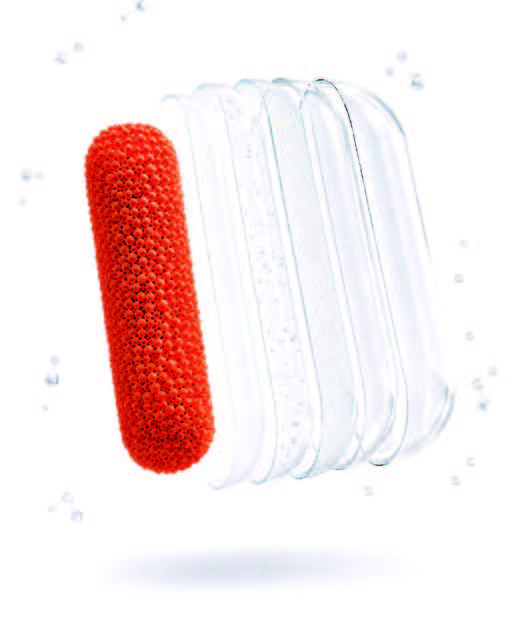
For this reason, simply adding the regulatory-compliant amount in fortification is not sufficient. The matrix, interactions with other components, and actual bioavailability must also be part of formulation decisions.
5. Space Science: Stability Under Real-World Conditions
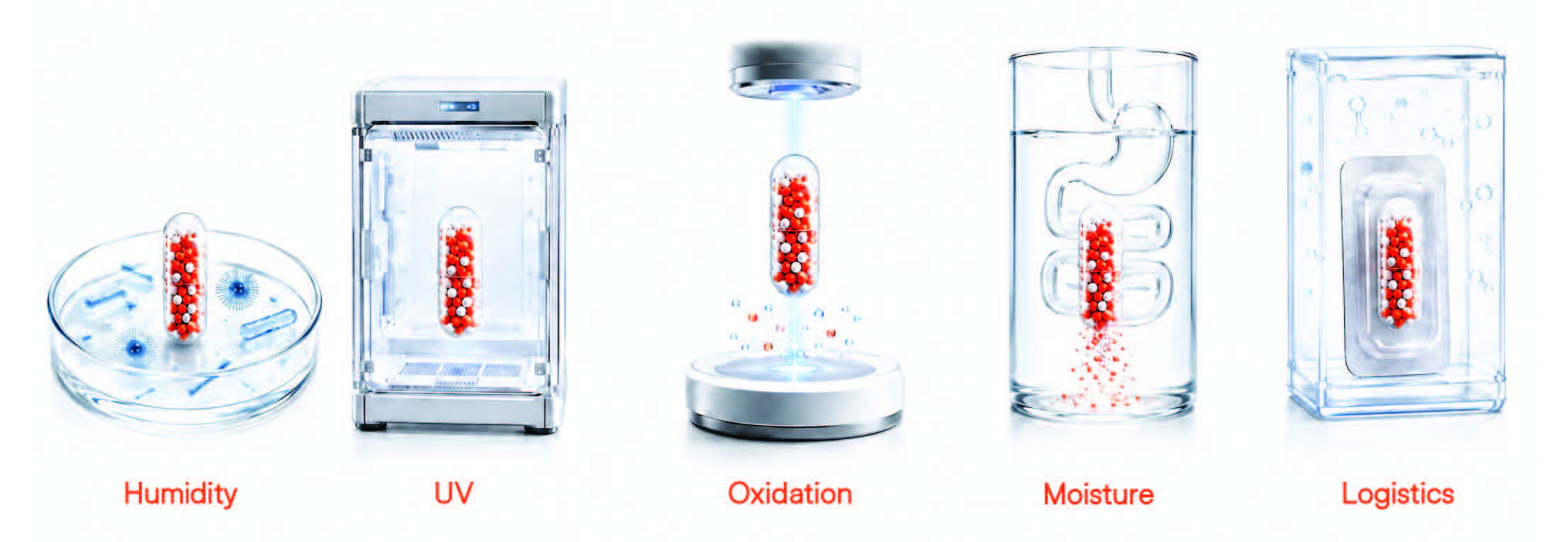
A product's shelf life begins in a controlled test chamber; its real-life journey, however, is far more variable. Moisture, UV, oxygen and temperature fluctuations can affect the stability of vitamins.
The degradation of Vitamin A at different temperatures can be modeled mathematically.
Arrhenius kinetics helps predict shelf life under real-world conditions by utilizing temperature-dependent degradation rates.
In addition to controlled stability testing, accounting for the environmental stresses a product will encounter throughout the supply chain provides a more realistic performance assessment.
Gallery