Silent Disease Causing Permanent Vision Loss in Children: Uveitis

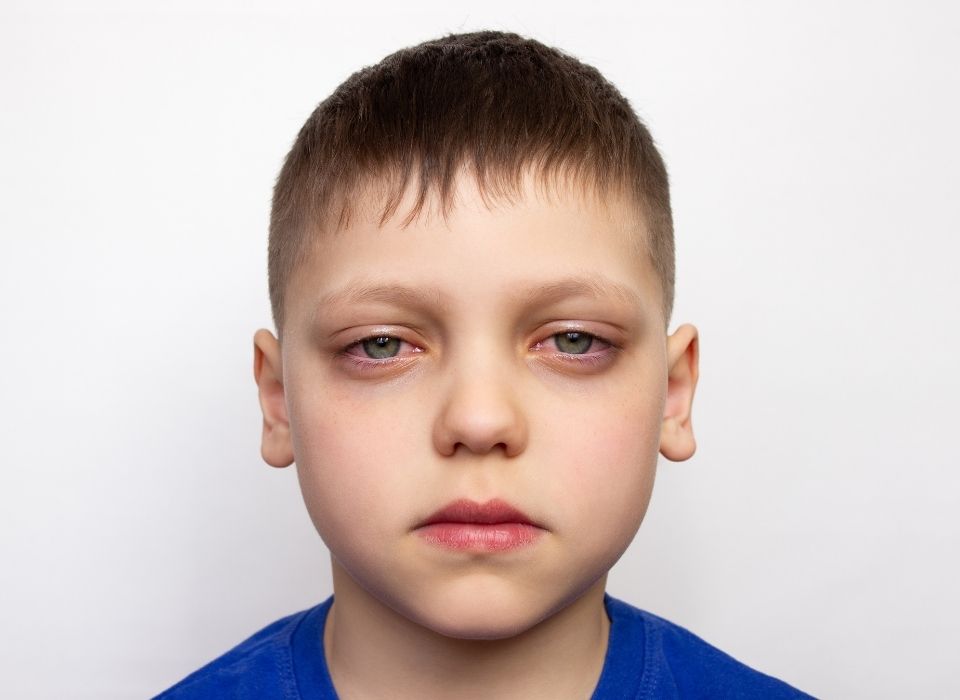
Prof. Dr. Merih Oray, Head of the Uveitis Department at Dünyagöz Hastaneler Grubu, said that uveitis can follow a more severe course particularly in children with juvenile arthritis (childhood joint rheumatism). She noted that the disease can lead to vision loss due to inflammation in the eye and, if left untreated, can cause permanent damage.
Prof. Dr. Merih Oray, Head of Uveitis Department at Dünyagöz Hospitals Group, stated that uveitis disease can have a more severe course, particularly in children with childhood joint rheumatism (juvenile arthritis). He explained that this disease can lead to vision loss due to inflammation in the eye and can cause permanent damage if left untreated.
Uveitis occurs when the inflammation develops in the vascular middle layer of the eye. Uveitis can be seen in many rheumatic diseases, particularly Behçet's disease, ankylosing spondylitis, and inflammatory bowel disease, as well as in neurological diseases such as multiple sclerosis (MS).
Prof. Dr. Merih Oray, providing information on uveitis disease and treatment methods, said, "In uveitis affecting the iris tissue of the eye and limited to the front part of the eye, symptoms such as pain felt by touching the eyeball and moving it side to side, light sensitivity, redness, and blurred vision come to the fore. These symptoms reflect the period when inflammation flares up and treatment is absolutely necessary. In uveitis located in the back part of the eye, blurred vision and seeing black spots are the prominent symptoms. In particular, if the inflammatory involvement of the macula, which we call the seeing point, is not treated correctly, it can lead to complications and permanent vision loss. One should not think that after undergoing uveitis treatment once and recovering, it should be remembered that this is a disease requiring long years of doctor monitoring," he said.
Common in Children with Childhood Rheumatism
Prof. Dr. Merih Oray, stating that uveitis can develop in all age groups, drew attention to the fact that especially in the pediatric age group, this disease can cause a serious health problem with complications up to blindness.
"While vision loss shows variability, there is a 10-15 percent risk of serious vision loss. To prevent the recurrence of this disease that progresses insidiously without being noticed, it is necessary to investigate the underlying causes. Emphasizing the importance of regular eye screening in children with childhood-age rheumatism, he said, "Just as there can be inflammation in the joints in these children, it can also occur in the eye. Sometimes there is no redness in the eye and because the children are young they cannot express it. Parents also cannot notice it. For this reason, it is necessary to take these children to a uveitis specialist eye doctor at regular intervals. Sometimes examination of children is also difficult. We apply planned systemic treatment. If not detected over time, it can have serious side effects. Problems such as cataracts and eye pressure can arise. Over time, it can also lead to vision loss," he said.
A Disease Requiring Emergency Intervention
Prof. Dr. Merih Oray, noting that when uveitis disease is diagnosed in the early period and the patient is directed to treatment, the current vision levels can be improved or preserved, said, "Regardless of its severity, uveitis is a disease requiring emergency intervention. When delayed, the disease progresses and inflammation can cause complications such as pupillary deformities, cataracts, and elevated eye pressure. Attacks experienced over time cause structural damage within the eye. There can be damage to the optic nerve and the seeing point. If the disease is not treated quickly, tissue destruction occurs and vision loss can result. When symptoms are observed, the first thing to do is to be examined by an eye doctor experienced in uveitis."
Examination by a Specialist Doctor on Uveitis Is Necessary
Prof. Dr. Oray, stating that people about to undergo cataract surgery should not have active inflammation in their eyes, said, "Uveitis treatment is a recurring disease and it is also necessary to diagnose the underlying disease of this condition. For this reason, people with uveitis need to see a doctor who has specialized in this field. Behçet's disease, cancer, immune system diseases, ulcerative colitis, Crohn's disease, ankylosing spondylitis, rheumatological diseases in adults and children, and infections such as bacteria, viruses, parasites, or fungi affecting the eye and eye trauma can cause uveitis. We also frequently see cataracts in uveitis patients. If a patient with uveitis is to have cataract surgery, the timing of this is very important. Because the patient should not have active inflammation in their eye at that moment. Surgical methods should be applied after the inflammation in the eye is treated," he warned.
Treatment is Planned According to the Type of Uveitis
Prof. Dr. Merih Oray, noting that treatment is decided according to the type of disease, said, "In inflammatory conditions affecting the iris, which we call anterior uveitis, local drop therapy is recommended in the first stage. Drops that enlarge the pupil are used first to prevent the iris tissue from adhering to the lens and to reduce pain. Corticosteroid drops are also used to suppress inflammation. When necessary, injection treatments are also applied into the eye or around the eye. If uveitis attacks are recurrent, systemic treatment is given. For non-infectious posterior uveitis, oral medications and, especially in recent years, current medications obtained from subcutaneous injections are used.
For non-infectious posterior uveitis, corticosteroid medications and medications that have a balancing effect on the immune system are recommended. Both anterior and posterior uveitis require physician monitoring. If the disease is detected early and treated correctly, the results are definitely positive. Additionally, in uveitis associated with systemic diseases, treatment should be continued in consultation with the relevant specialties. In infection-related uveitis, treatment is directed at the causative agent. When treatment is not carried out under physician supervision, particularly if medications are used without control, there is a risk of life-threatening complications," he concluded.
Gallery