Unconditional Love Heals

This news item is unrelated to the chemical industry, but here is the translation as requested: Üsküdar University NPİSTANBUL Hospital Specialist Clinical Psychologist Cumali Aydın provided information on how the emotional bond established with animals affects mental health across all age groups, from children to the elderly, and how animal-assisted therapies play a role in psychological disorders.
Cumali Aydın, Specialist Clinical Psychologist at Üsküdar Üniversitesi NPİSTANBUL Hospital, provided information on how the emotional bond formed with animals affects mental health across all age groups from children to the elderly, and what role animal-assisted therapy plays in psychological disorders.
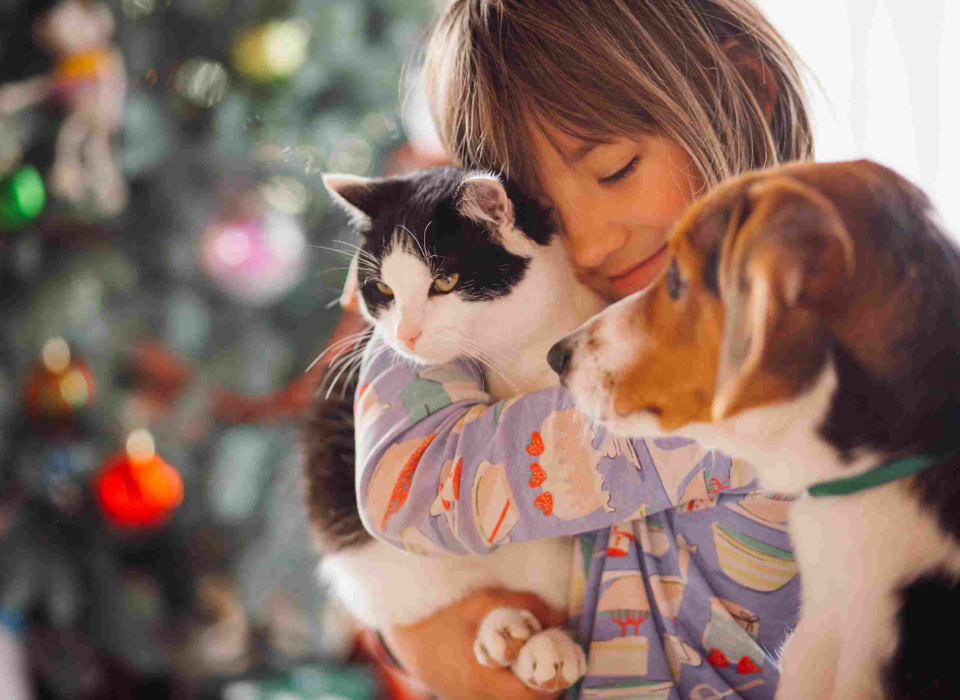
Specialist Clinical Psychologist Cumali Aydın noted that spending time with pets reduces stress hormones while increasing happiness hormones, stating, "Petting a cat can regulate heart rate and provide a sense of calm to a person. Moreover, interacting with animals can reduce feelings of loneliness and alleviate symptoms of depression."
Aydın emphasized that animals develop empathy and social skills particularly in children, while reducing feelings of loneliness and supporting mental health in the elderly, and explained that animal-assisted therapies show positive effects in many psychiatric disorders such as depression, anxiety disorder, autism and PTSD.
Animals restore the sense of security after trauma through unconditional love!
Specialist Clinical Psychologist Cumali Aydın noted that scientific research shows that spending time with animals lowers cortisol levels, the stress hormone, and increases secretion of oxytocin, known as the happiness hormone, stating, "As an example of this, petting a cat can regulate heart rate and provide a sense of calm to a person. Moreover, interacting with animals can reduce feelings of loneliness and alleviate symptoms of depression."
Aydın conveyed that the person realizes they are not alone and can better cope with feelings of worthlessness or being unloved that may accompany loneliness, saying, "Particularly therapy dogs or cats help rebuild the sense of security in individuals with post-traumatic stress disorder (PTSD). When examining why they help, these animals provide unconditional love and a sense of trust. People who have experienced traumatic events may have trust issues in human relationships and increased threat perceptions. However, animals accompany individuals without judgment and without expectations, which allows the person to re-experience the feeling of trust."
Communication with animals enables understanding of non-verbal emotions!
Specialist Clinical Psychologist Cumali Aydın, drawing attention to the fact that animals can help humans make sense of and manage their emotions, stated, "When a person is stressed or sad, spending time with their pet provides the comfort of being with a friend who offers unconditional love. This can particularly help individuals experiencing anger control issues or anxiety disorder to better manage their emotional responses."
Referencing research conducted on children and adolescents, Aydın stated, "There are studies showing that individuals who spend time with animals develop empathy skills and display more rational responses to stress. The individual begins to understand the animal's emotions and look after its needs. Empathy is the ability to notice someone else's feelings and needs and respond to them appropriately. The bond formed with animals helps people develop this ability because animals cannot express themselves by speaking. Their emotional states must be understood through their body language, facial expressions and movements."
Children who grow up with animals can be more successful at understanding others' emotions!
Specialist Clinical Psychologist Cumali Aydın emphasized that when a child grows up with a pet, they acquire a sense of responsibility, empathy and social skills, stating, "A child learns that they need to feed their dog every day and provide it with regular care. Additionally, children who grow up with animals can better recognize emotional expressions and be more successful at understanding others' feelings. Scientific studies have also supported that children who play with animals are more proactive and adaptable in their social relationships."
The emotional bond formed with animals contributes to the healing process!
Specialist Clinical Psychologist Cumali Aydın, pointing out that for elderly individuals, pets can be a major source of both physical and emotional support, stated, "Spending time with a cat or dog reduces feelings of loneliness while also supporting mental health. For example, studies conducted with therapy animals in individuals with Alzheimer's disease show that it reduces anxiety in the person and supports their cognitive functions. Pets help elderly people maintain their daily routines, giving them a sense of purpose and increasing their social interactions. In this way, they contribute to the aging process being experienced more healthily."
Aydın also addressed which psychiatric disorders animal-assisted therapies are more frequently used in, concluding his remarks as follows:
"Animal-assisted therapies are frequently used especially in depression, anxiety disorders, autism spectrum disorder and PTSD. For example, it has been observed that a war veteran who experienced trauma saw his panic attacks decrease and adapt more easily to social life after spending time with a therapy dog. In one case, we observed that an individual diagnosed with severe depression was able to return to their daily routines more easily and felt more secure after beginning equine-assisted therapy. In short, animals' provision of an emotional bond to individuals contributes to the healing process."
Gallery