Sistem Alüminyum Accelerates Digitalization and Low-Carbon Production Investments

Sistem Alüminyum, which operates in the aluminum sector with an integrated production infrastructure, export strength and high production capacity, is placing digitalization and sustainable production investments at the center of its growth strategy as part of its 2026 vision. While aiming to boost operational efficiency through data-driven production management, AI-supported reporting systems and automation technologies, the company is also strengthening its low-carbon production infrastructure.
Sistem Aluminium, an integrated aluminum producer with strong export performance and high production capacity, is placing digitalization and sustainable production investments at the center of its growth strategy under its 2026 vision. The company aims to enhance operational efficiency through data-driven production management, artificial intelligence-supported reporting systems and automation technologies, while strengthening its low-carbon production infrastructure.
Sistem Aluminium targets extending digital transformation investments across all processes from production to logistics. The company is building a more agile, scalable and traceable operational structure through SAP S/4HANA optimization, Salesforce CRM applications, RPA solutions and digital quality management systems.
Real-time data analytics enables instant monitoring of production performance, energy consumption and operational processes; digital quality management systems provide end-to-end traceability from production to shipment. ASRS automated storage systems increase speed and inventory accuracy in warehouse operations, while efficiency is targeted in logistics processes.
"Speed and data management have become critical in industry"
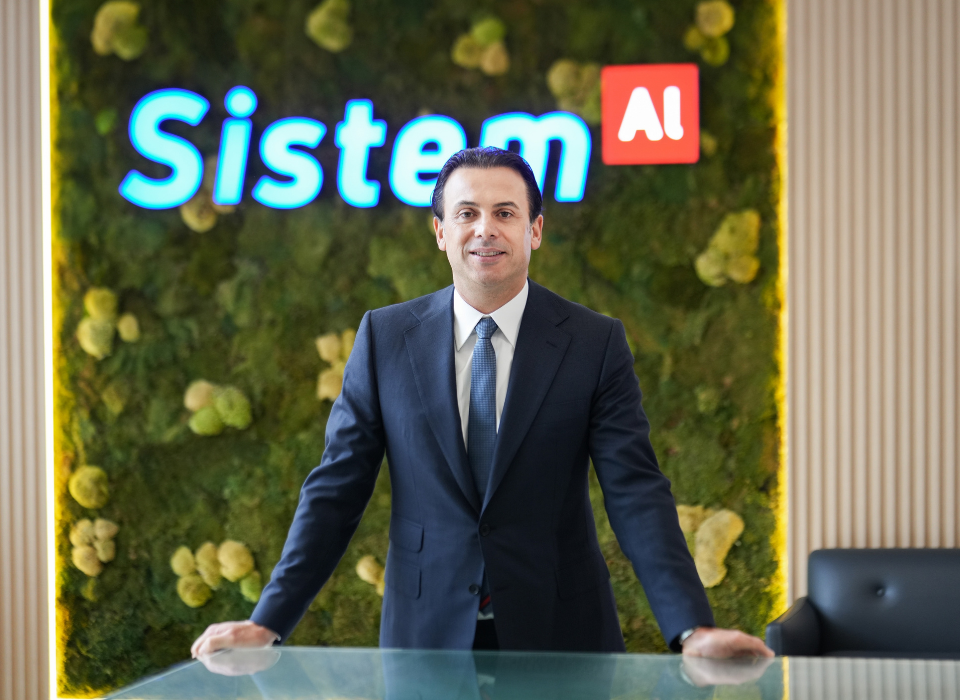
In his assessment of the matter, Sistem Aluminium Board Chairman Ayhan Yerekaban noted that digitalization has become one of the fundamental elements of competition in industry, stating:
"Global competition is now shaped not just by production capacity; data management, sustainability and operational agility determine success. We view digitalization not merely as a technology investment that drives efficiency, but as a strategic transformation area supporting sustainable growth. Through our data-driven production infrastructure, we manage all processes from production to shipment in a faster, more efficient and more sustainable manner."
Yerekaban pointed out that changing customer expectations and increasing sustainability regulations are making data management even more critical in industry, stating that real-time data analytics contributes to faster management of operational risks and quicker response to customer demands.

Digitalization also supports sustainable production
Positioning digitalization as an important part of its sustainability goals, Sistem Aluminium targets reducing its carbon footprint by 55% by 2030 and achieving carbon neutrality by 2050. The company is strengthening its sustainable production infrastructure through energy efficiency projects, digital energy management systems and renewable energy investments.
Through solar PV investments, approximately 25% of the facility's electricity needs are met from solar energy, while LCA and EPD studies conducted under product-based carbon management support alignment with the European Green Deal and CBAM processes.
Sistem Aluminium, which exports to more than 75 countries, will continue its investments in digital production infrastructure, data analytics systems, artificial intelligence-supported applications and sustainable production technologies in the coming period.
About Sistem Aluminium
Operating with over 30 years of experience and an innovative vision, Sistem Aluminium is among the sector's leading companies in aluminum extrusion profiles and facade systems. In its fully integrated production facilities located in Tekirdağ Ergene, the company operates across a wide range, from die to extrusion, surface treatments to composite panel and forged aluminum production, providing solutions for architectural and industrial applications.
With an annual production capacity of 103 thousand tons, Sistem Aluminium serves many sectors including construction, automotive, aerospace, energy and white goods. The company, which exports a significant portion of its production, today reaches more than 75 countries across 4 continents, while continuing its operations with an understanding of sustainability and environmentally conscious production.
Gallery