Balparmak Beekeeping Academy 2026 Training Program Begins in Muğla
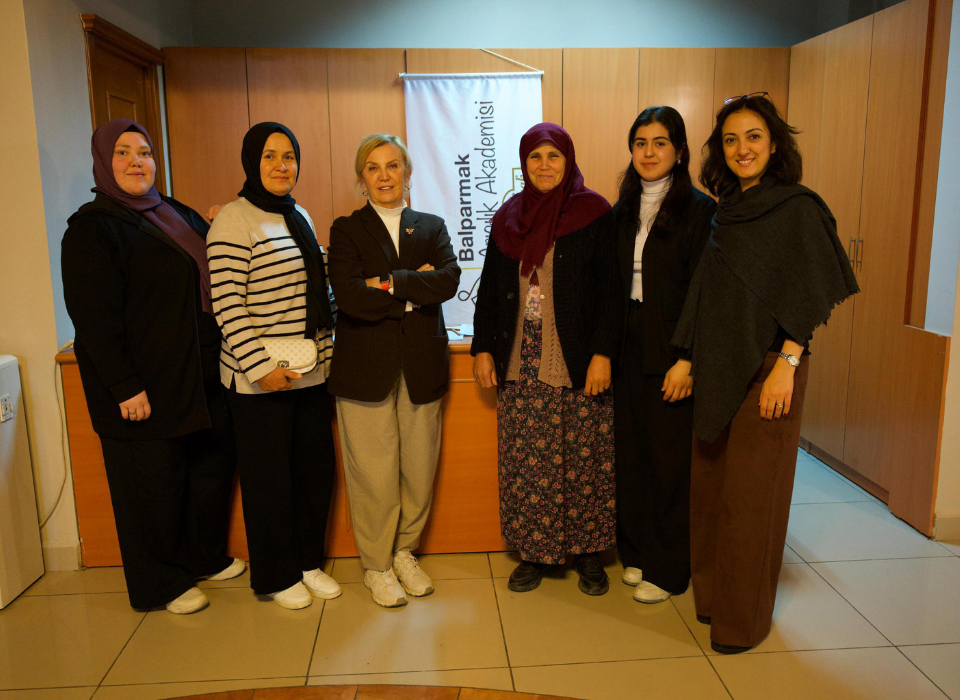
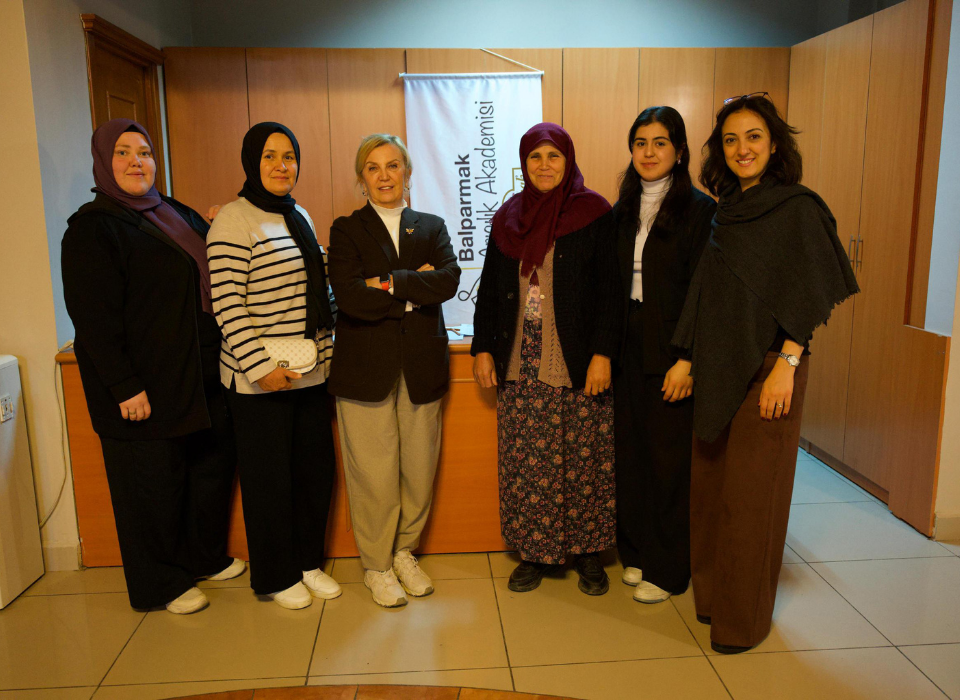
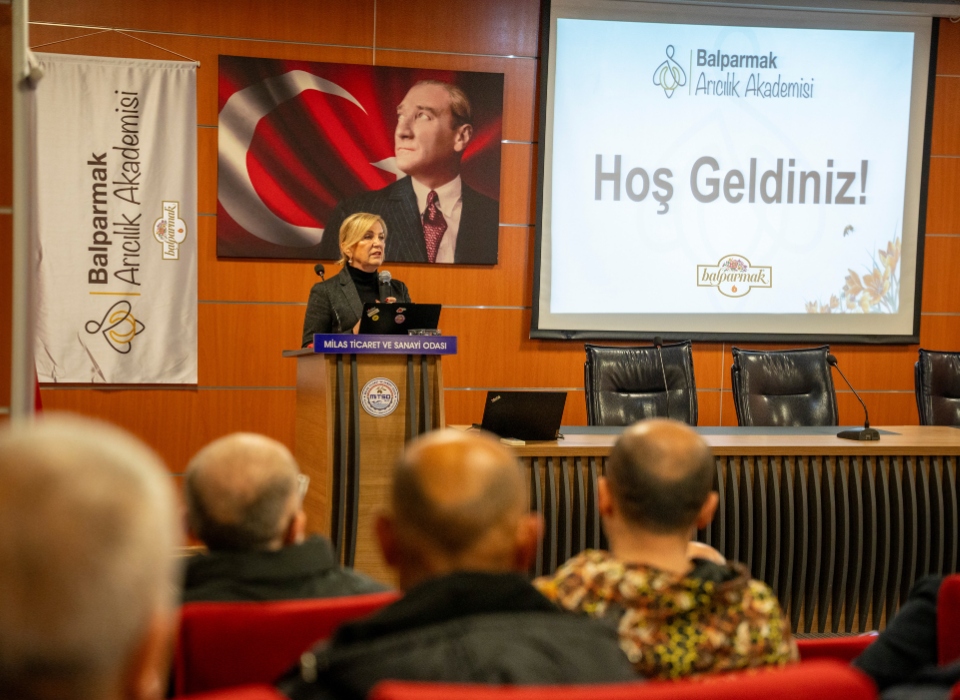
The first stop on Balparmak Arıcılık Akademisi's 2026 training programme was Muğla. At the two-day event held in Milas, topics including bee health, proper feeding practices and sustainable production were addressed within a scientific framework. Balparmak executives emphasized that increasing the participation of women and young beekeepers in the sector would strengthen Turkey's exports of value-added bee products.
Balparmak Beekeeping Academy's 2026 training program began in Muğla. The two-day event in Milas addressed bee health, proper feeding practices and sustainable production from a scientific perspective. Balparmak executives emphasized that increased participation of women and young beekeepers in the sector would strengthen Turkey's export of value-added bee products.
The program, hosted by Milas Chamber of Commerce and Industry in Milas, Muğla, drew numerous beekeepers from the region. The training sessions shared current information on improving hive productivity and protecting bee health.
Focus on Women and Young Beekeepers
Özgür Altıparmak, Deputy Chairman of Balparmak's Board of Directors, opened the event by stating that beekeeping holds critical importance not only economically but also for ecosystem and food security.
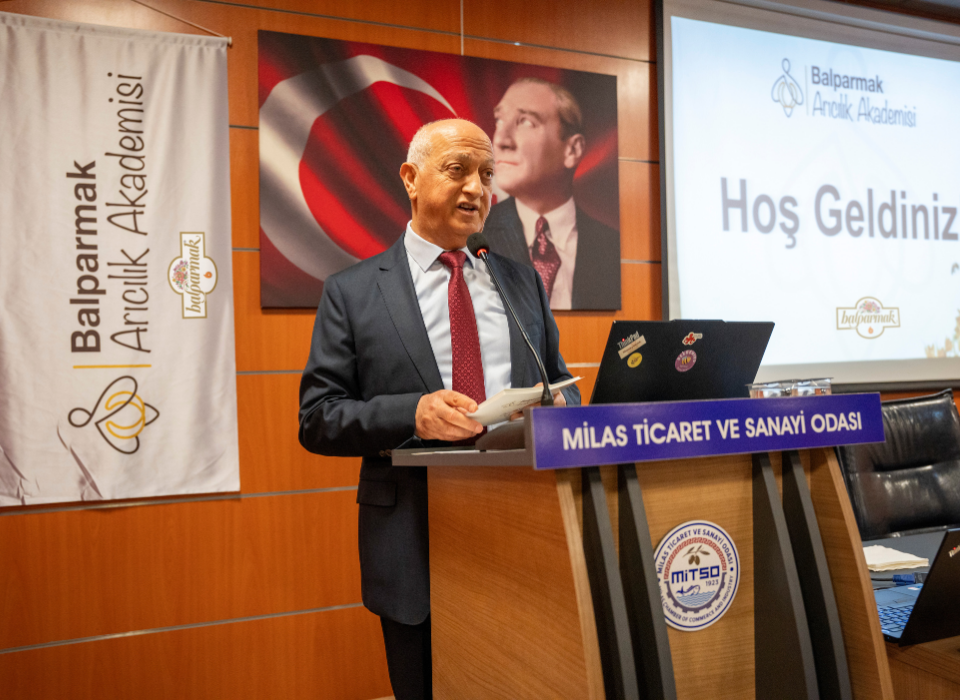
"Protecting bee populations means protecting the future of agriculture and nature. For 45 years, Balparmak has acted with this responsibility; we aim to strengthen beekeeping through a sustainable framework centered on science and innovation."
Altıparmak drew attention to the strategic importance of bringing women and young people into the sector, noting that female beekeepers have achieved significant success in high-value-added products such as royal jelly and propolis.
"An increase in the number of women and young beekeepers will place Turkey in a stronger position in international markets."
Reaching 8,000 Beekeepers in 8 Years
Dr. Emel Damarlı, Research and Quality Director at Balparmak, said the Academy was established to bring young people and women to the sector.
Noting that the majority of beekeepers in Turkey are male, Damarlı stated that demographic change is essential for sustainability:
"We prioritize supporting our beekeepers with the most current information and practices. Through academic training, we aim to increase quality and productivity and raise our country's global competitiveness. In eight years, we have reached approximately 8,000 beekeepers."
Scientific Training from Experts
On the program's first day, Prof. Dr. Levent Aydın, Faculty Member at Bursa Uludağ University's Faculty of Veterinary Medicine, provided information on the effects of global climate change on bee health and correct practices to be applied in the field. He stressed the importance of early precautions and inspections against diseases that could be imported from abroad.
"In combating bee diseases, public institutions, the private sector, producers and universities must work together."
On the program's second day, Prof. Dr. Halil Yeninar, Faculty Member at Kahramanmaraş Sütçü İmam University's Faculty of Agriculture, explained the natural feeding system of honey bees and correct feeding practices in commercial beekeeping. Yeninar emphasized that proper feeding methods strengthen bees' immune systems.
Message from the Field: "We Learned Planned Work"
Sevim Çalışkan, a long-time beekeeper among the participants, noted that the training directly benefits field practice, saying:
"Previously, we did most things out of habit. Here we saw the importance of planned and systematic work. We corrected what we thought was right but was wrong. We want the training to continue."
Investment in the Sector's Future
Balparmak's Beekeeping Academy, launched in 2018, aims to promote scientific production, increase productivity and secure the future of the beekeeping profession. The Academy encourages the participation of young people and women in the sector, aiming to strengthen Turkey's global power in value-added bee products.
Gallery