
Reklam





Ana SayfaHome › Hammadde & ÜrünRaw Materials & Products › Solvent
Solvent is a liquid that dissolves or dilutes another substance without chemically altering it. In the chemical industry, the solvent usually does not remain in the final product — it does its job and evaporates. Nevertheless, solvent selection largely determines a formulation's applicability, drying speed, film quality and occupational safety profile.
A liquid's behavior as a solvent is defined by polarity, hydrogen-bonding capacity and evaporation rate. Formulators quantify these three axes using Hansen solubility parameters: the closer the parameters of the solvent and the polymer to be dissolved are to each other, the better the dissolution. This is the measurable version of the "like dissolves like" rule.
In practice, a single solvent is rarely sufficient. Solvent blends are used in paints and inks: a fast-evaporating component handles initial drying, a medium-speed component manages flow and leveling, and a slow component takes care of surface smoothness.
Recovery is an integral part of production. A significant portion of the solvent used in industry is collected via distillation and reused; this is a decisive factor both in terms of cost and emissions.
| Class | Example | Typical use | Points to note |
|---|---|---|---|
| Aliphatic hydrocarbon | Hexane, mineral spirits | Alkyd paint, extraction | Flammability |
| Aromatic hydrocarbon | Toluene, xylene | Industrial paint, ink | Health classification |
| Ketone | Acetone, MEK | Resin dissolution, cleaning | Very fast evaporation |
| Ester | Ethyl acetate, butyl acetate | Packaging ink, varnish | Odor |
| Alcohol | Isopropanol, ethanol | Cleaning, disinfection | Flammability |
| Glycol ether | Butyl glycol | Co-solvent for water-based paint | Restrictions on certain types |
| Chlorinated | Dichloromethane | Paint stripper, degreasing | Strict regulation, trend toward substitution |
In Türkiye, solvent supply relies largely on refinery and petrochemical output as well as imports, while blending, thinner production and recovery services are widespread domestically. The size of the paint industry is the main determinant of solvent demand.
Current topics in the sector's agenda include: VOC regulations and the resulting shift toward water-based, high-solids and solvent-free systems; updates to hazardous substance classifications; the spread of solvent recovery (relevant to both cost and waste management); and the performance-cost balance of bio-based substitutes. Current news on these topics is listed below.
The most frequently checked figures on a solvent data sheet are, in order, dissolving power, evaporation behavior and safety profile.
| Parameter | What it indicates | Note |
|---|---|---|
| Boiling point / range | Rough indicator of drying speed | Given as a range for blends |
| Evaporation rate | Relative rate compared to butyl acetate | Classified as fast / medium / slow |
| Flash point | Fire class and storage conditions | Below 21°C is classified as high-risk |
| Hansen parameters (δD, δP, δH) | Which polymer it will dissolve | Basis of blend design |
| Surface tension | Wetting and spreading behavior | Cratering and fish-eye defects |
| Water miscibility | Usability in water-based systems | High in glycol ethers |
In practice, relying on a single figure can be misleading. For example, a solvent selected based solely on boiling point may evaporate quickly under high ambient humidity, cooling the surface and causing blushing on the film due to condensation. This is why fast, medium and slow components are balanced together in a formulation.
VOC (volatile organic compound) refers to organic substances that evaporate easily at room temperature. Most conventional solvents are VOCs. Since regulations impose VOC limits per product category, formulators either reduce the solvent ratio, switch to water-based systems, or prefer solvents that do not fall under the VOC definition.
No. Water-based paints typically still contain a small proportion of co-solvent; this is necessary for film formation and freeze resistance. Still, the total VOC load is significantly lower than that of the solvent-based equivalent.
Thinner is not a single substance but a solvent blend prepared to dilute a specific type of paint. Cellulosic thinner, synthetic thinner and polyurethane thinner have different compositions; using the wrong thinner disrupts the paint's curing and surface quality.
When usage volume is consistent and the contamination profile is predictable. The purity of solvent collected through distillation is often directly sufficient for non-critical applications (such as equipment cleaning). Return on investment is generally calculated based on the combination of solvent price and disposal cost.
There is no single parameter; but in practice a three-way balance is established: dissolving power (it must actually be able to dissolve the polymer), evaporation rate (it must suit the application method), and health, safety and regulatory profile. Optimizing one while ignoring the others tends to come back as blistering, orange-peel effect and adhesion problems in the field.
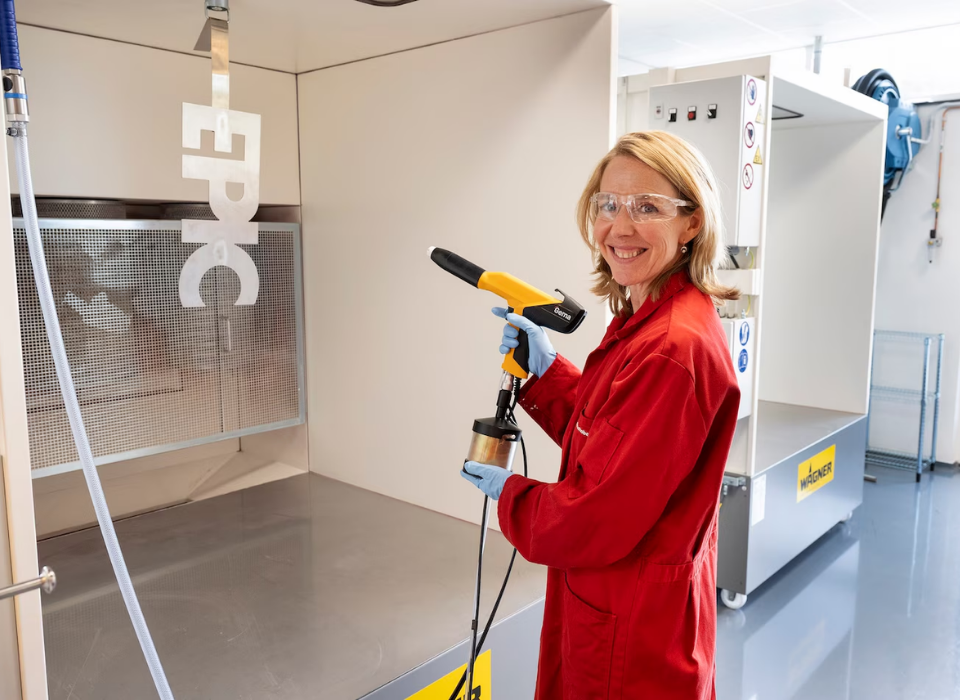
AkzoNobel, Hollanda’nın Sassenheim kentindeki Ar-Ge merkezinde 7,5 milyon euro yatırımla yeni bir inovasyon laboratuvar…
In the chemical and petrochemical industries, accurate measurement of fluids such as polyurethane, epoxy, resin, paint,…

The paints and coatings industry has changed significantly in response to environmental, occupational health and safety…
In coating systems, surface scratches and micro-scratches are critical degradation mechanisms that directly affect not …

The KKDİK Regulation, one of the key pieces of legislation on chemicals management in Türkiye, has become a critical ar…
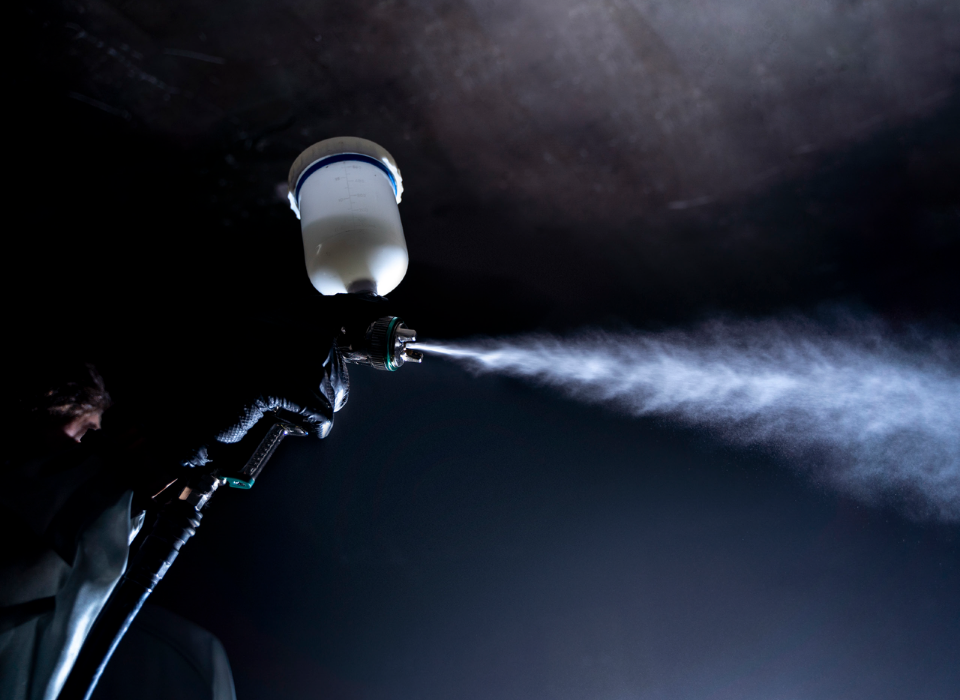
Powder coating technologies are increasingly preferred in the coatings industry thanks to their solvent-free compositio…

Despite its well established place in the Coatings, Adhesives, Sealant and Elastomer (CASE) sector, polyurethane chemis…

Despite its long-established position in the coatings, adhesives, sealants and elastomers (CASE) sector, regulatory pre…
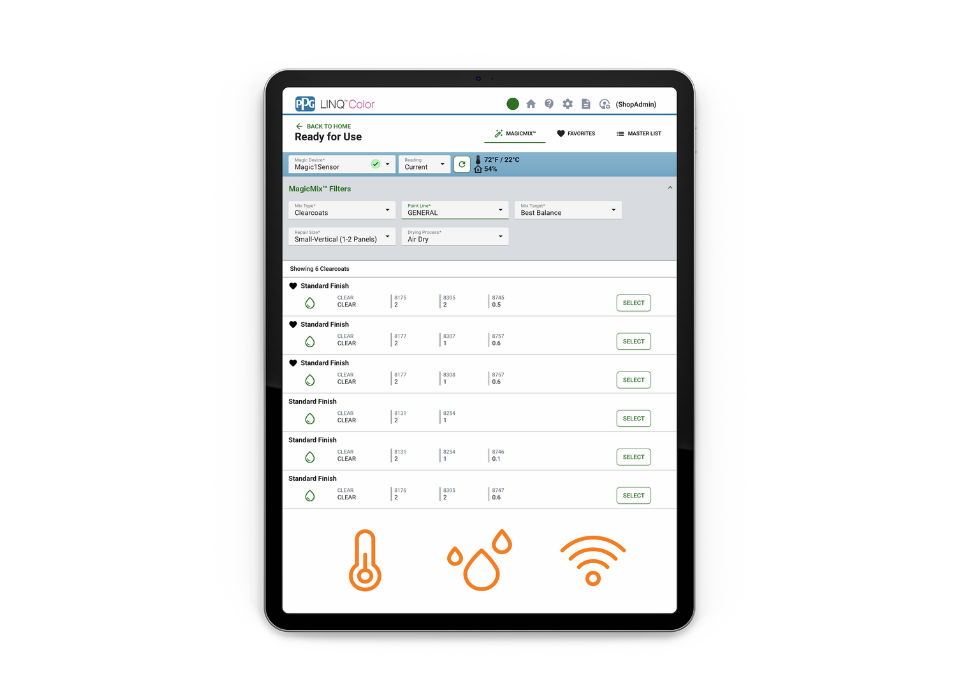
PPG announced the launch of PPG MAGICMIX™ software, a new feature of the PPG LINQ™ digital ecosystem for auto refinish …

Adhesives used in footwear manufacturing do not merely serve to bond two materials together; they directly impact the p…
Kimya sanayiini oynayarak tanıyın: her hafta yeni bulmaca, etkileşimli periyodik tablo, sektöre özel oyunlar ve ücretsiz hesaplayıcılar.
Deneyiminizi iyileştirmek ve site kullanımını ölçmek için çerez kullanıyoruz. Ayrıntılar Çerez Politikası ve KVKK Aydınlatma Metni'nde.