
Reklam





Ana SayfaHome › Hammadde & ÜrünRaw Materials & Products › Pigment
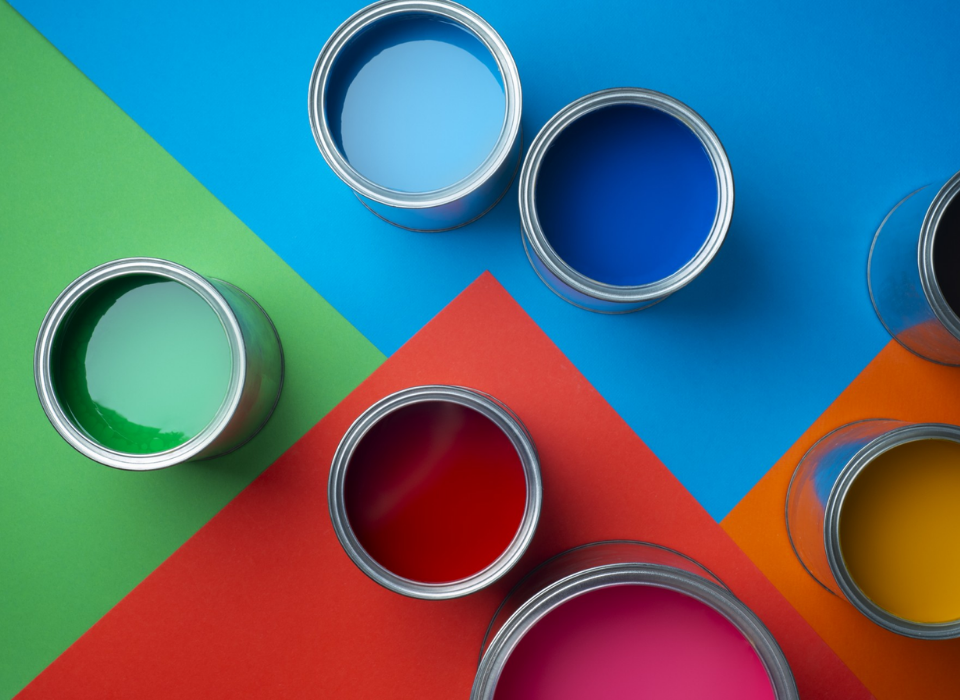
Pigment is a fine-grained solid material that does not dissolve in the medium it is applied to, providing colour and opacity by selectively absorbing and scattering light. The "visible" part of paint is the pigment; the resin binds it to the surface, while the solvent brings it to an applicable consistency.
The fundamental difference between pigment and dye is solubility: dye dissolves in the medium and disperses at the molecular level, while pigment remains suspended as particles. This difference generally makes pigment's light and weather resistance higher; however, pigment performance depends not only on its chemistry but also on particle size and distribution.
The main criteria for evaluating a pigment are: opacity (hiding power), tinting strength, lightfastness, weather resistance, chemical resistance, oil absorption value and dispersibility.
The production method varies depending on the pigment class.
In every case, the final step is the same: surface treatment. Particles are coated with alumina, silica or organic agents; this coating both improves dispersibility and, in pigments with photocatalytic activity such as TiO₂, prevents degradation of the binder.
| Class | Example | Key characteristic |
|---|---|---|
| White inorganic | Titanium dioxide (rutile, anatase) | Highest hiding power; a major cost item in paint |
| Coloured inorganic | Iron oxide (yellow, red, black) | Economical, very high outdoor weather resistance |
| Organic | Phthalocyanine blue/green, azo yellow and red | High tinting strength and vividness |
| Black | Carbon black | Hiding power and UV protection |
| Effect | Metallic aluminium, mica-based pearlescent | Angle-dependent appearance; automotive and cosmetics |
| Functional | Zinc phosphate, anti-corrosion | For protection rather than colour |
| Filler (extender) | Calcium carbonate, talc, barium sulphate | Bulk and rheology; reduces the cost of hiding power |
Türkiye's pigment sector is largely import-dependent; almost all titanium dioxide and organic pigments are sourced from abroad. In contrast, the country has a rich reserve base of filler minerals (calcium carbonate, talc, barite) and is a producer and exporter in this group.
The sector's agenda is progressing on three fronts: TiO₂ cost and supply security (formulators are looking for fillers and rheology solutions that maintain hiding power while reducing the TiO₂ ratio), regulation (classification changes for certain pigments and fillers, restrictions on cosmetic and food contact applications) and sustainability (heavy-metal-free alternatives, low-energy production). Current developments are listed in the news section below.
Colour is only the first item on the list when selecting a pigment. Formulators evaluate the following parameters together.
| Parameter | What it indicates | Note |
|---|---|---|
| Particle size | Hiding power and tinting strength | Optimum ~0.2–0.3 µm for white pigment |
| Oil absorption value | Binder requirement in the formulation | Expressed in g/100 g |
| Lightfastness (Blue Wool scale) | Colour retention under UV | 1–8; 7–8 expected for exterior use |
| Weather resistance | Behaviour under natural ageing | Generally better in inorganics |
| Heat resistance | Not degrading at plastics processing temperature | Decisive in masterbatch |
| pH and electrolyte resistance | Stability in water-based systems | Flocculation risk |
Tinting strength and hiding power depend more on how well the pigment is dispersed than on its chemistry. The same pigment provides significantly higher colour yield when well dispersed compared to when poorly dispersed; therefore dispersion quality is a direct part of the cost calculation.
Pigment does not dissolve in the medium it is applied to and disperses as particles; dye dissolves. This is why pigment generally has higher light and weather resistance, though mechanical dispersion (grinding) is required for a good result. Dyes are preferred in areas requiring transparency, such as textiles and inks.
Both are crystal forms of TiO₂. Rutile has a higher refractive index; its hiding power and outdoor weather resistance are better, which is why it is standard in paint. Anatase is more photocatalytic; since it can degrade the binder in outdoor use, it is mainly used in indoor applications, paper and photocatalytic surface applications.
Pigment particles agglomerate during production. To achieve the full tinting strength and hiding power, these agglomerates must be broken down in mills and then prevented from re-forming with the help of a dispersant. Poor dispersion manifests as colour shift, settling, gloss reduction and flocculation.
Technically, fillers are also insoluble particulate solids, but since their refractive index is close to that of the binder, they do not provide hiding power on their own. Their role is to add bulk, adjust rheology, improve mechanical properties and reduce cost.
Metallic and pearlescent pigments do not only absorb light; they reflect it directionally from the surfaces of flake-shaped particles and create thin-film interference. The colour observed therefore depends on the viewing angle; the sense of depth in automotive paint comes from this mechanism.
Eksozomlar, hücreler tarafından salgılanan ve çapları yaklaşık 30–150 nm arasında değişen ekstraselüler veziküllerdir. …
Mineral dolgu maddeleri, boyaların, verniklerin veya kaplamaların fiziksel ve işlevsel özelliklerini geliştirmek için f…

In food safety technologies, the "Retort" (sterilization) process represents the most demanding performance criteria fo…
Mineral fillers are fine particles added to paints, varnishes, or coatings to improve their physical and functional pro…
The KKDİK Regulation, one of the key pieces of legislation on chemicals management in Türkiye, has become a critical ar…
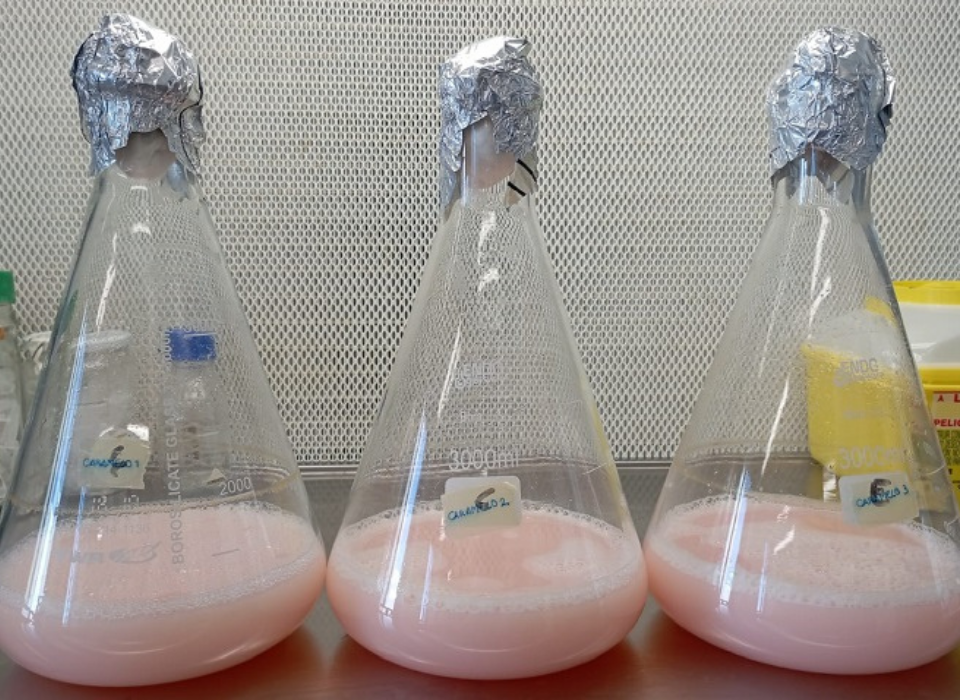
The Applied Biochemistry research group at the University of Alicante, in collaboration with researchers from the Alica…

Street art appears in many different forms, and the vivid murals from both before and after the fall of the Berlin Wall…

A dispersing agent is a paint raw material used to prevent the flocculation of pigments and fillers, stabilizing the su…
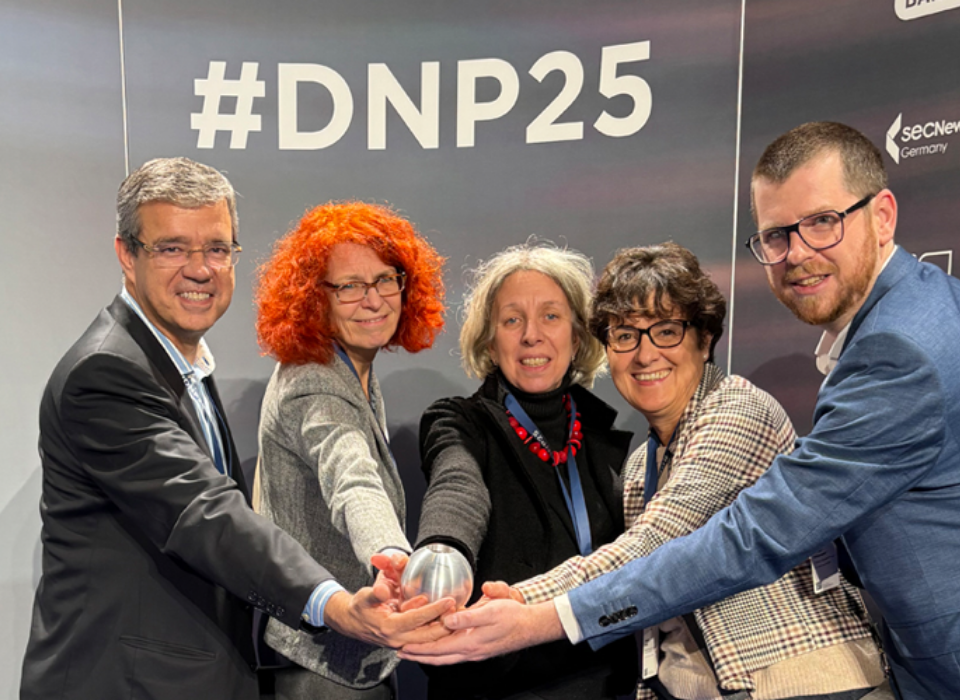
PIGMENTURA, the sustainable textile dyeing process developed by CHT Group, received an award in the Products category o…
InterDye & Textile Printing Eurasia, which focuses on dyestuffs, pigments, textile chemicals, digital textile printing,…
Fuchs Kimya has entered into a strategic partnership with Oxerra, one of the leading players in the global pigment mark…
Kimya sanayiini oynayarak tanıyın: her hafta yeni bulmaca, etkileşimli periyodik tablo, sektöre özel oyunlar ve ücretsiz hesaplayıcılar.
Deneyiminizi iyileştirmek ve site kullanımını ölçmek için çerez kullanıyoruz. Ayrıntılar Çerez Politikası ve KVKK Aydınlatma Metni'nde.