
Reklam





Ana SayfaHome › Hammadde & ÜrünRaw Materials & Products › Polyol
Polyol is the common name for compounds carrying more than one hydroxyl (–OH) group in their molecule. In polyurethane chemistry, polyol is one of two fundamental components alongside isocyanate, and it is polyol that largely determines the character of the final product: the softness of a foam, the flexibility of a coating and the recovery behavior of an elastomer are all established through polyol selection.
Three numbers define a polyol:
Once these three values are known, the required amount of isocyanate (index) can be calculated; this is the backbone of any polyurethane formulation.
| Type | Functionality | Key property | Application |
|---|---|---|---|
| Flexible foam polyether | 2–3 | High molecular weight, elasticity | Mattress, upholstery foam |
| Rigid foam polyether | 4–8 | Dense cross-linking, low heat conductivity | Insulation panels, refrigerators |
| Polyester polyol | 2–3 | Abrasion and oil resistance | Elastomer, shoe soles |
| Polycaprolactone | 2–3 | Hydrolysis resistance, toughness | High-performance coating |
| Acrylic polyol | variable | UV resistance, color retention | Automotive varnish, 2K paint |
| Natural oil-based | 2–4 | Bio-based content | Foam, coating |
Türkiye is predominantly an importer on the polyol side; polyether polyol and isocyanate (TDI, MDI) are sourced from abroad. However, the country has a regionally strong manufacturing base in flexible and rigid foam production — mattress, furniture, white goods and insulation panel manufacturing form the main source of this demand.
Key issues on the sector's agenda include: volatility in raw material prices, the growing share of bio-based and recycled polyols (particularly for manufacturers exporting to Europe), the impact of insulation regulations on rigid foam demand, and research into isocyanate-free polyurethane. Current developments are listed in the news section below.
| Parameter | Unit | Typical range |
|---|---|---|
| Hydroxyl number | mg KOH/g | 28–56 (flexible foam), 350–500 (rigid foam) |
| Functionality | — | 2–3 (flexible), 4–8 (rigid) |
| Molecular weight | g/mol | 400–6,000 |
| Viscosity (25 °C) | mPa·s | 300–5,000 |
| Water content | % | generally kept below 0.05 |
| Acid number | mg KOH/g | low; affects catalyst balance |
Formulation calculations are derived from this table: once the hydroxyl number and polyol quantity are known, the required isocyanate amount and index can be calculated. Water content is tracked as a separate item because water also reacts with isocyanate, and if not accounted for, it results in both carbon-dioxide-induced bubbling and insufficient cross-linking.
Polyether is preferred when humid conditions, hydrolysis risk and cost are priorities; polyester is preferred when mechanical strength, abrasion and oil resistance are priorities. Polyester dominates in shoe soles and industrial elastomers, while polyether dominates in mattress and furniture foam.
It expresses the hydroxyl group content of one gram of polyol in terms of the equivalent amount of KOH. The required amount of isocyanate in a formulation is calculated from this value. A high OH value means the molecule is small and densely cross-linked — resulting in a rigid product; a low value means a long, flexible molecule and product.
It shows what percentage of the stoichiometrically required amount the isocyanate used represents. 100 means an exact match; values such as 105–110 indicate excess isocyanate, giving additional cross-linking and a harder, more stable structure. An excessively high index produces brittleness.
Polyols are hygroscopic. Water reacts with isocyanate and releases carbon dioxide — in foam, this can serve as a desired blowing mechanism, but in coatings or elastomers it means bubbling and surface defects. This is why storage conditions and moisture content measurement are routine quality control steps.
Not up to certain ratios. Natural oil-based polyols can replace a portion of the petrochemical polyol in most foam formulations. At very high substitution ratios, odor, color and curing profile may change; therefore the formulation is rebalanced accordingly.
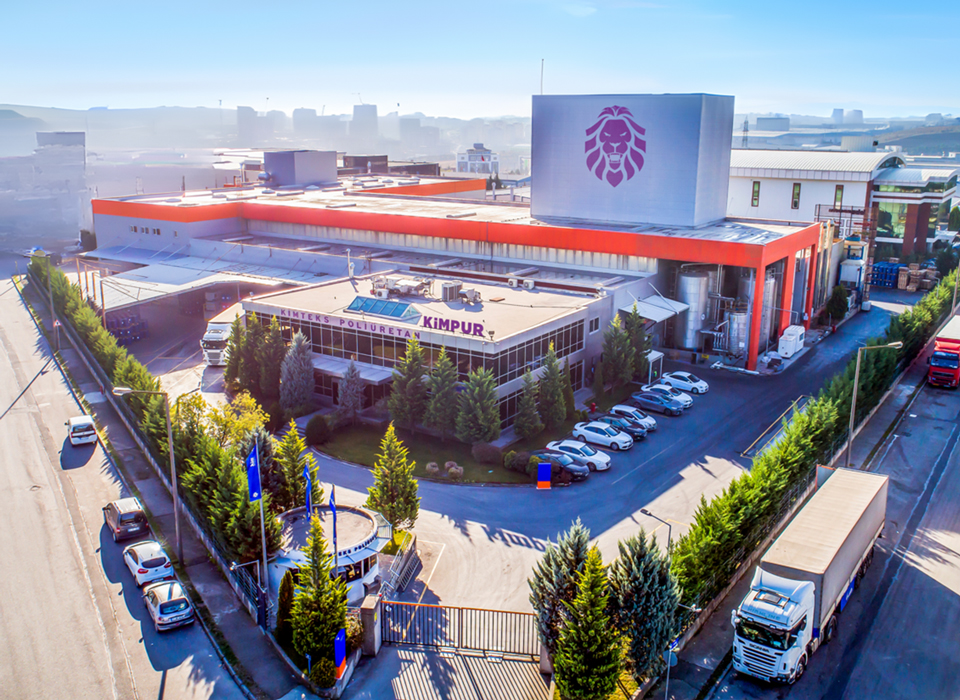
Kimpur, one of the region's leading polyurethane systems houses, has received ReMade® certification for its products ai…
BAYEGAN's manufacturing company BYCHEM contributes to lighter, more durable and more sustainable vehicle technologies w…

ISOPA is a Brussels-based European association representing companies that produce diisocyanates and polyols, the main …

COIM, a specialty chemicals expert and a leader in the production of polyesters, polyols, polyurethanes and specialty r…

With a fairly wide product range, Coim Group is among the leading international companies in the production of polyeste…
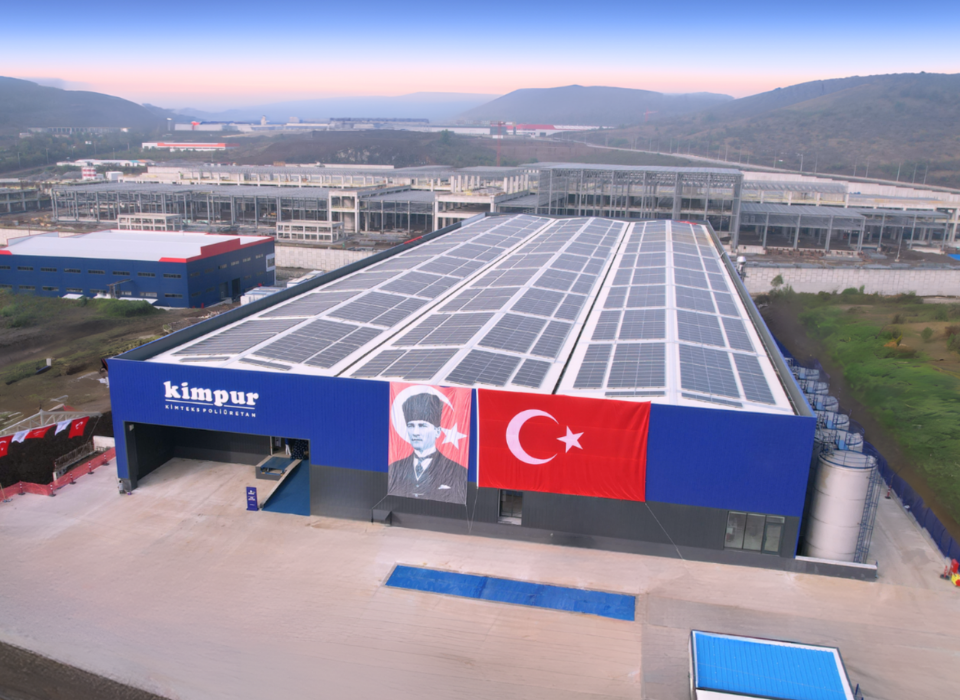
Kimpur has taken another significant step in its resource-efficient production approach by implementing an innovative r…
Kimya sanayiini oynayarak tanıyın: her hafta yeni bulmaca, etkileşimli periyodik tablo, sektöre özel oyunlar ve ücretsiz hesaplayıcılar.
Deneyiminizi iyileştirmek ve site kullanımını ölçmek için çerez kullanıyoruz. Ayrıntılar Çerez Politikası ve KVKK Aydınlatma Metni'nde.