
Reklam





Ana SayfaHome › Hammadde & ÜrünRaw Materials & Products › Polyester
Polyester is a family of polymers carrying an ester bond in the main chain. It is not a single product but a class with three very different major branches: thermoplastic polyester (PET, PBT), unsaturated polyester resin (composites) and saturated polyester (used as a raw material for coatings and polyurethane). These three branches, discussed under the same name, are almost separate sectors in terms of both production route and application area.
The ester bond forms when an acid and an alcohol combine with the release of water. When this reaction is repeated, a long chain — polyester — is formed. The rigidity, melting temperature and solubility of the chain depend on the structure of the acid and alcohol used: aromatic acids (terephthalic acid) yield a rigid product with a high melting point, while aliphatic acids (adipic acid) yield a flexible product.
The most significant weakness of the ester bond is hydrolysis: the chain can break down in hot and humid environments. This behavior is a determining factor when selecting the application area for polyester.
| Branch | Type | Curing / processing | Application |
|---|---|---|---|
| Thermoplastic | PET | Melted and shaped | Bottles, fiber, film |
| Thermoplastic | PBT | Injection molding | Automotive connectors, electrical parts |
| Unsaturated (UPR) | Orthophthalic | Free radical with peroxide | General-purpose FRP, panels |
| Unsaturated (UPR) | Isophthalic / vinyl ester | With peroxide | Chemical tanks, boats, pipes |
| Saturated | Polyester polyol | With isocyanate | PU elastomer, coatings |
| Saturated | Powder coating polyester | Oven-cured | Facade profiles, white goods |
Türkiye has an established industry in polyester fiber and yarn production and is a regional player as part of the textile supply chain. Domestic production is also strong on the unsaturated polyester resin side; demand from the FRP sector is largely met domestically. On the other hand, there is import dependency in basic intermediate products such as terephthalic acid.
Key issues on the sector's agenda: rPET capacity and food-contact approvals, the impact of recycled content mandates on exports, reduction of styrene emissions (low-styrene and styrene-free UPR systems), and recycling of composite waste. You can find current news on these topics below.
| Parameter | PET (thermoplastic) | Unsaturated polyester resin |
|---|---|---|
| Density | 1.38 g/cm³ | 1.1–1.2 g/cm³ (cured) |
| Melting / thermal behavior | Melting ~255°C | Does not melt; thermal degradation |
| Glass transition (Tg) | ~75°C | 60–120°C (formulation-dependent) |
| Characteristic measurement | Intrinsic viscosity (IV) | Acid number, gel time |
| Tensile strength | 50–75 MPa | 40–90 MPa (higher in glass-fiber laminate) |
| Cure shrinkage | — | 5–9% (higher than epoxy) |
On the PET side, the determining figure is intrinsic viscosity: fiber grade, bottle grade and engineering applications each require different IV ranges, and this value decreases slightly with each recycling cycle. On the UPR side, gel time and peak exotherm temperature are fundamental to production planning; high exotherm in thick laminates causes internal stress and cracking.
No. Both carry an ester bond, but PET is a thermoplastic — it melts when heated and can be reshaped. Unsaturated polyester resin, on the other hand, is a thermoset; once cured with peroxide, it cannot be melted. Their applications and recycling routes are entirely different.
It is low-cost, dries quickly, is dimensionally stable and resistant to abrasion. When blended with cotton, it reduces wrinkling. Its disadvantages include low moisture absorption and the ongoing debate over microplastic release; the latter is increasingly on the agenda in technical textiles and apparel.
"Fiberglass-reinforced polyester" — a composite obtained by curing unsaturated polyester resin together with glass fiber. Because it does not corrode and offers freedom of shaping, it is an alternative to metal in applications such as water tanks, treatment equipment, boat hulls and pipes.
By selecting the chain structure (isophthalic and vinyl ester systems are more resistant), by adding hydrolysis stabilizers such as carbodiimide, and by avoiding continuous hot-humid contact in the design. In applications involving prolonged contact with hot water, material selection is made accordingly from the outset.
In mechanical recycling, molecular weight decreases slightly with each cycle and color/clarity are affected; for this reason, rPET is often blended with virgin resin. Chemical recycling, which breaks the material down to the monomer, yields a product very close to virgin quality, but at a higher cost and energy consumption.
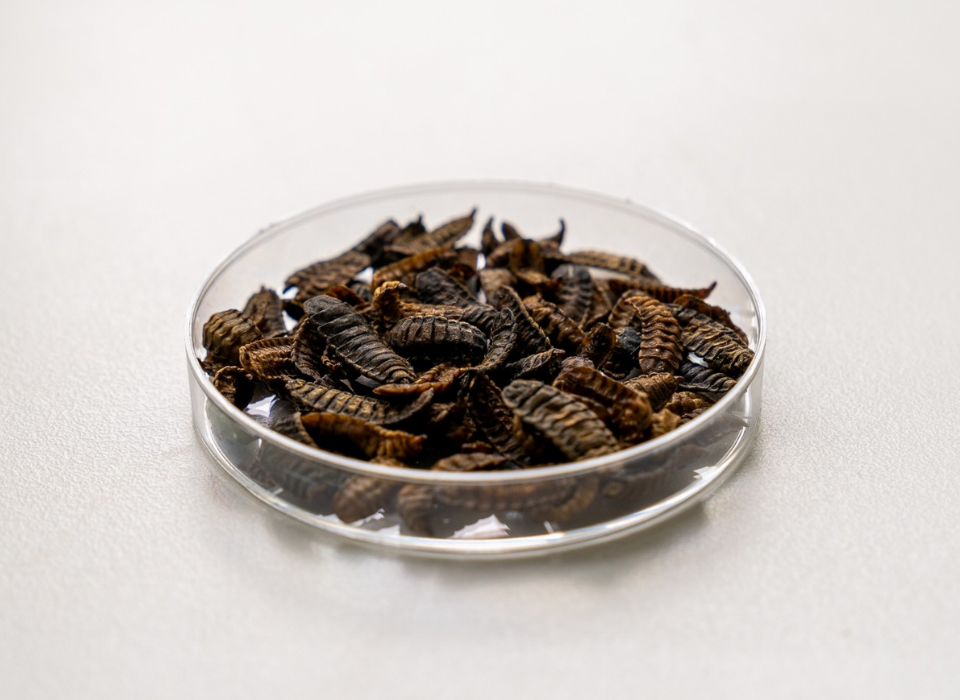
Balıkçılık sektöründe kabukluların işlenmesi, böcek proteini üretimi ve mantar yetiştiriciliği, yüksek miktarda kitin i…
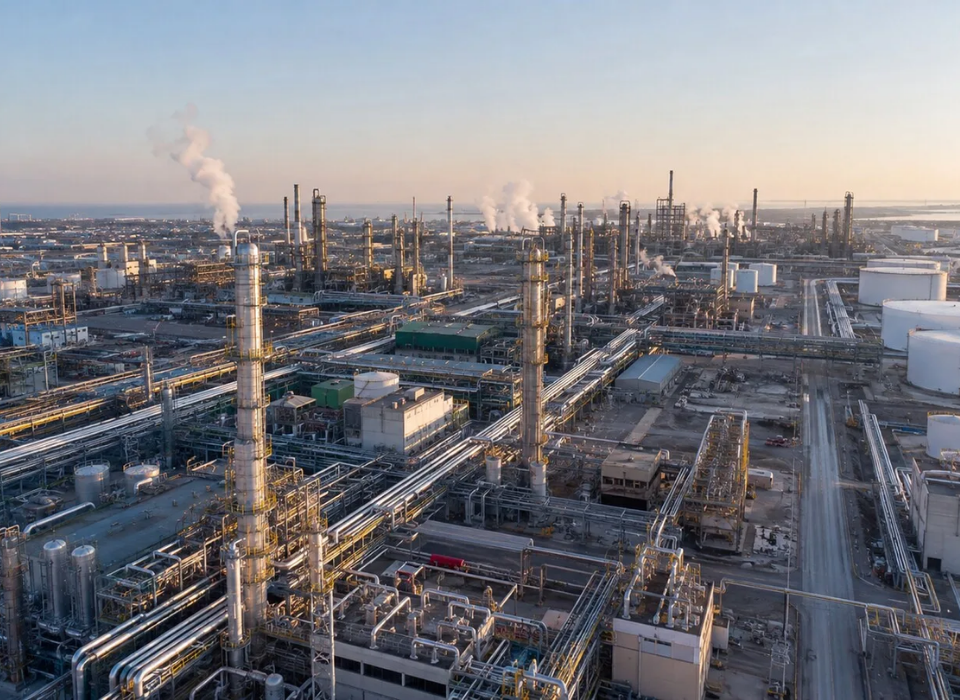
Shell’in ABD’deki kimyasal üretim varlıklarını elden çıkarma planı, ExxonMobil, LyondellBasell, Apollo Global Managemen…

While Türkiye-UAE non-oil trade volume reached $45.2 billion, Türkiye's leading tourism professionals will meet in Duba…
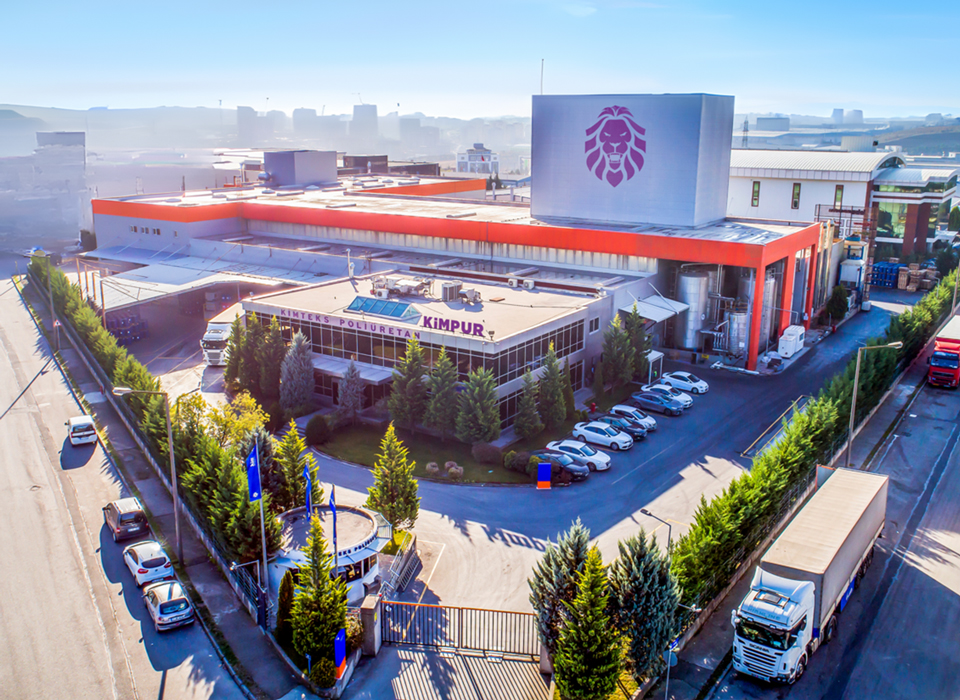
Kimpur, one of the region's leading polyurethane systems houses, has received ReMade® certification for its products ai…

Türkiye's leading energy company Tüpraş has added another investment to its transformation efforts pursued in line with…

The Eastern Mediterranean Petrochemical Industrial Zone and Port (DAPEK), developed by Rönesans Holding in Ceyhan, Adan…
BAYEGAN's manufacturing company BYCHEM contributes to lighter, more durable and more sustainable vehicle technologies w…

Türkiye's global glass brand LAV received the Gold award for its Zoey collection and the Bronze award for its Wave coll…

Evonik has decided to extend its "Tailor Made" efficiency program, part of its transformation strategy, until 2029. Und…
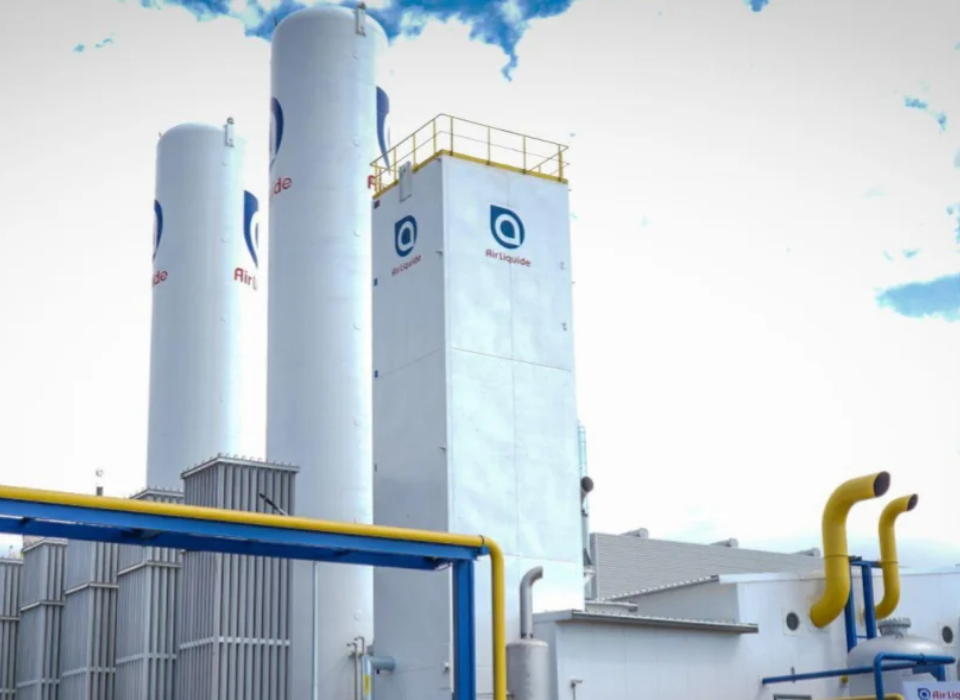
Air Liquide, one of the world's leading companies in industrial gases, has signed a new investment worth EUR 70 million…

In the chemical and petrochemical industries, accurate measurement of fluids such as polyurethane, epoxy, resin, paint,…

Honeywell has announced a new collaboration with the Dangote Petroleum Refinery in Lekki, Nigeria, providing connected …
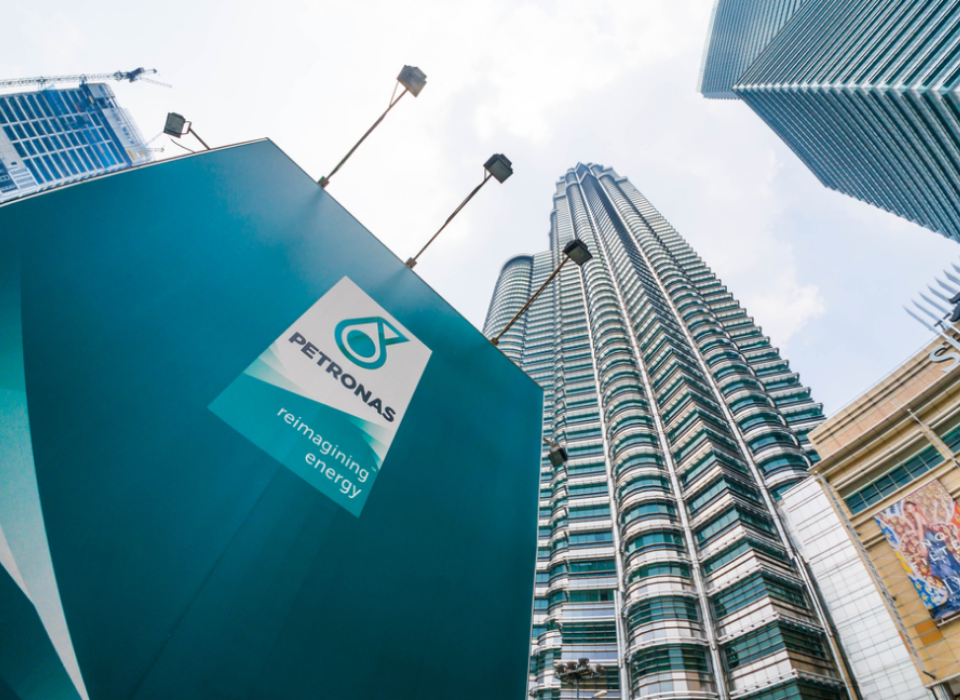
PETRONAS has reached an agreement to acquire Aramco's equity stake in PRefChem through its subsidiary PRPC, strengtheni…

Rising geopolitical risks, inflation-exchange rate imbalances, increasing financing costs and disruptions in global sup…

Huntsman Corporation celebrated the opening of the expansion at its Performance Products manufacturing facility in Petf…
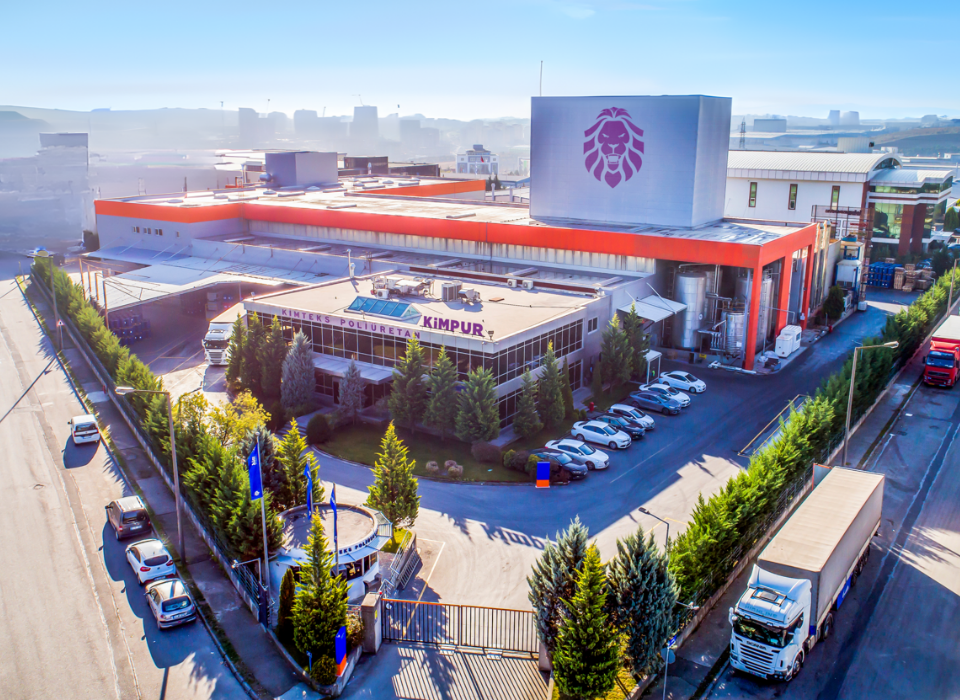
Kimpur, which operates in the polyurethane sector with innovative solutions, has added a new investment to its sustaina…

Rising geopolitical risks in the Strait of Hormuz are heightening the risk of supply contraction across global supply c…
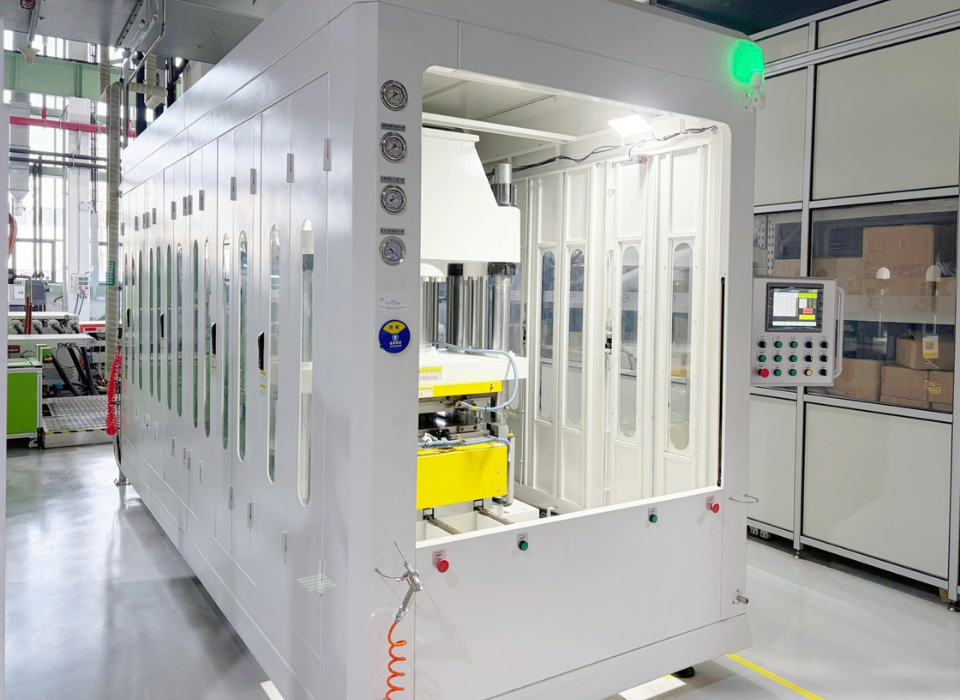
Covestro has expanded its Specialty Films Technical Competence Center in Shanghai, further enhancing its capacity to su…
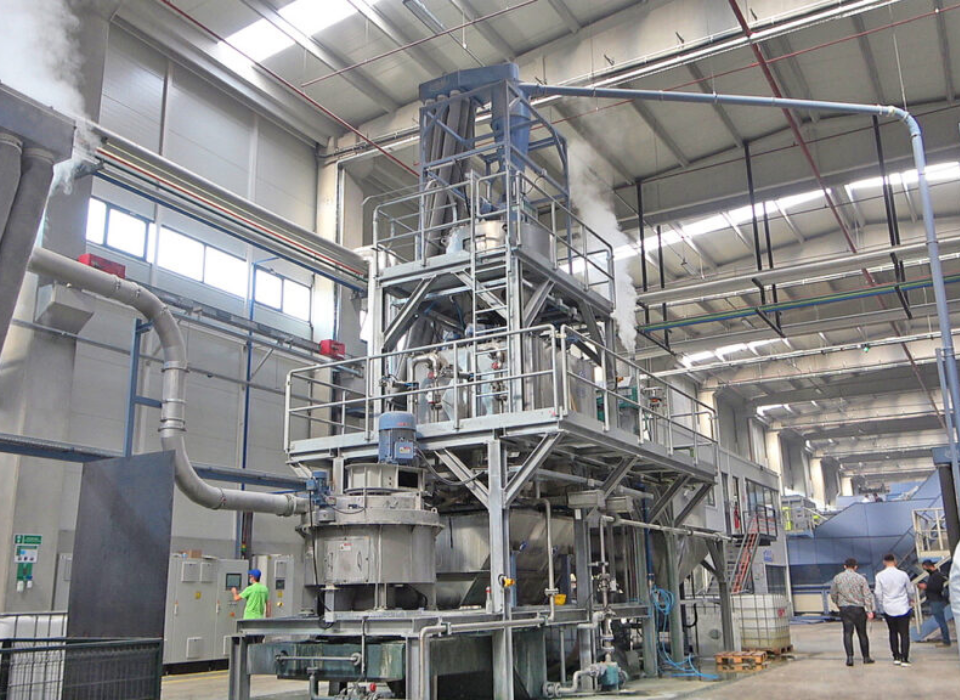
Futurapet, one of the leading companies in Türkiye's PET recycling sector, has renewed its RecyClass A1 certification, …

Dental implants are expected to transfer occlusal loads to the surrounding bone tissue while maintaining the mechanical…
BAYEGAN carries out global supply, marketing, sales and distribution activities in the petrochemical sector with 85 yea…

Lummus Technology and Sumitomo Chemical today announced the commercial availability of their highly-efficient Polymethy…

Lummus Technology and Sumitomo Chemical announced that their high-efficiency Polymethyl Methacrylate Chemical Recycling…
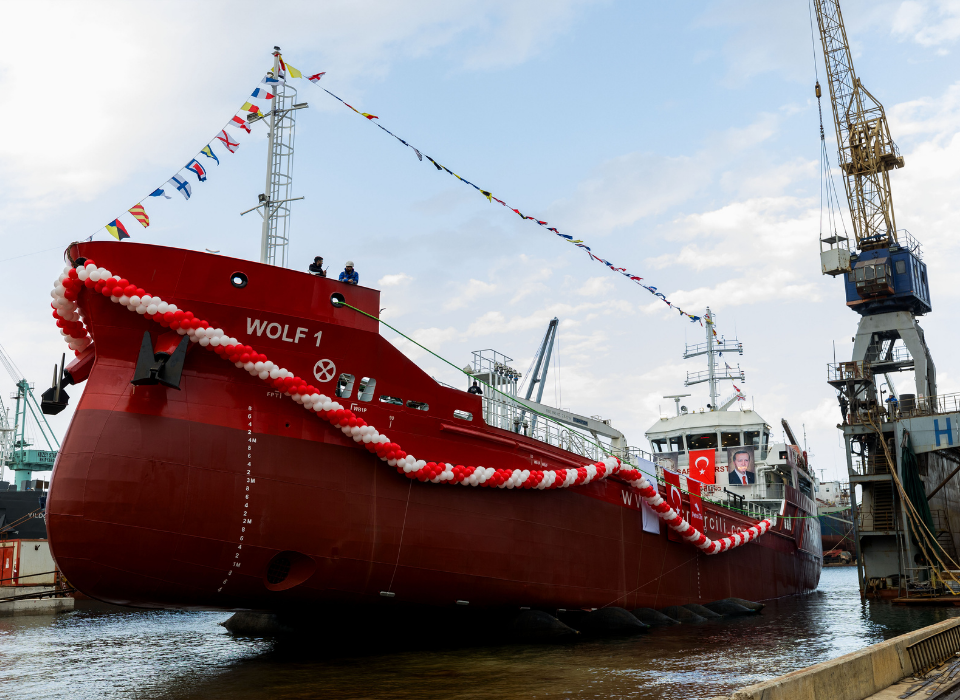
The zero-emission fuel tanker WOLF 1, built by Hicri Ercili for the Petrol Ofisi Group, was launched at a ceremony held…
Kimya sanayiini oynayarak tanıyın: her hafta yeni bulmaca, etkileşimli periyodik tablo, sektöre özel oyunlar ve ücretsiz hesaplayıcılar.
Deneyiminizi iyileştirmek ve site kullanımını ölçmek için çerez kullanıyoruz. Ayrıntılar Çerez Politikası ve KVKK Aydınlatma Metni'nde.