Clariant Breaks Ground on sunliquid® Cellulosic Ethanol Plant in Romania
Clariant has launched construction on its first industrial-scale facility for producing cellulosic ethanol from agricultural residues. The sunliquid technology developed by the company will be used at industrial scale for the first time at this facility.
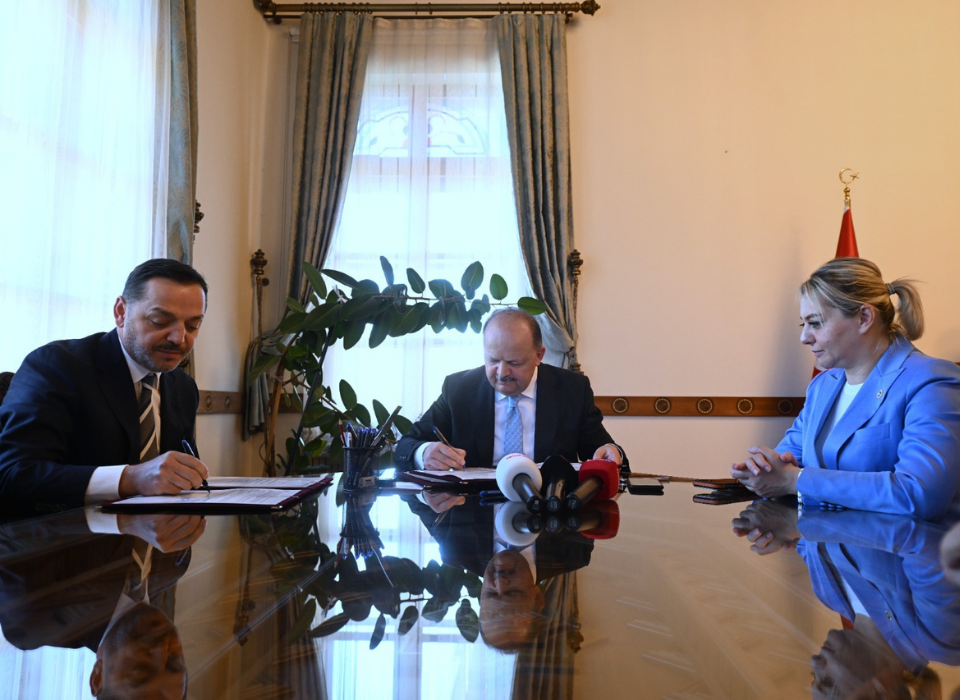
The groundbreaking ceremony, held near Podari in southwestern Romania, was attended by Romanian government officials, Swiss Ambassador Urs Herren, and a Clariant delegation headed by Executive Board Member Christian Kohlpaintner.
Clariant Executive Board Member Christian Kohlpaintner: "After nearly a decade of research and development work, Clariant is opening its first sunliquid facility with an investment exceeding EUR 100 million.
This is pioneering technology not only in Europe, but worldwide. Additionally, through this investment and the partnerships Clariant has established with European and national institutions, the company is supporting the industrial transformation of the region."
The facility represents the largest industrial investment by a multinational company in this region. At full capacity, it will process 250,000 tons of wheat straw and other cereal straw sourced from local producers, with annual production capacity of 50,000 tons of cellulosic ethanol.
By using process residues for renewable energy generation, the facility is planned to be completely independent of fossil energy sources. For this reason, the cellulosic ethanol produced at the facility will be a carbon-neutral biofuel.
The facility will serve as an important reference plant for marketing sunliquid licenses globally, as proof of the industrial-scale competitive sustainability of sunliquid technology.
The Craiova region was selected for facility construction due to the abundant supply of local raw materials and existing logistics and industrial infrastructure. The facility's operation will bring significant benefits to the Craiova area.
By enabling the industrial-scale marketing of straw, which until now has been an unutilized agricultural residue, it will create an important income source for local farmers. Local companies are planned to supply as many hundreds of construction workers as possible for facility construction.
The completed facility will provide indirect employment for approximately 300 people in service sectors and raw material transportation. Additionally, a team of 100 to 120 people is planned to work at the facility.
While Clariant prioritizes local employment, it will offer training opportunities both at its laboratory in Planegg near Munich and at its sunliquid pilot production facility near Straubing, Bavaria.
Sustainable and Advanced Biofuel "Sunliquid"
Cellulosic ethanol, an advanced, sustainable and practically carbon-neutral biofuel, is produced from agricultural residues such as wheat straw and corn cobs supplied by farmers. Straw and cobs are first converted into cellulosic sugars. Cellulosic ethanol is then obtained through fermentation. By utilizing agricultural residues in cellulosic ethanol, it becomes possible to use new raw materials in biofuel production and contribute to the efficiency and sustainability of biofuels. Cellulosic sugars also serve as building blocks for bio-based chemical production in the future. Sunliquid is produced through a fully integrated process based on proven process technologies. Innovative technologies such as chemical-free pretreatment, integrated production of feedstock- and process-specific enzymes, and simultaneous C5 and C6 sugar fermentation provide cost efficiency.Advertisement
Ad Space728 × 90