EPDK Regulation Brings Electric Vehicle Charging Infrastructure to Residential Buildings

With the amendment made by the Energy Market Regulatory Authority (EPDK) to the regulation on charging services for electric vehicles (EVs), the integration of charging infrastructure into living spaces in Turkey is gaining momentum. The regulation is considered an important step supporting wider adoption within the electric vehicle ecosystem.
Turkey's charging infrastructure integration into residential areas accelerating following EPDK regulatory changes for electric vehicle (EV) charging services. The regulation is considered an important step supporting widespread adoption in the electric vehicle ecosystem.
Volkan Demir, Director of Elaris, an Üçyol Engineering subsidiary, noted that the regulation will improve user experience and support broader adoption of electric vehicles.
New era in charging infrastructure: residential-focused transformation
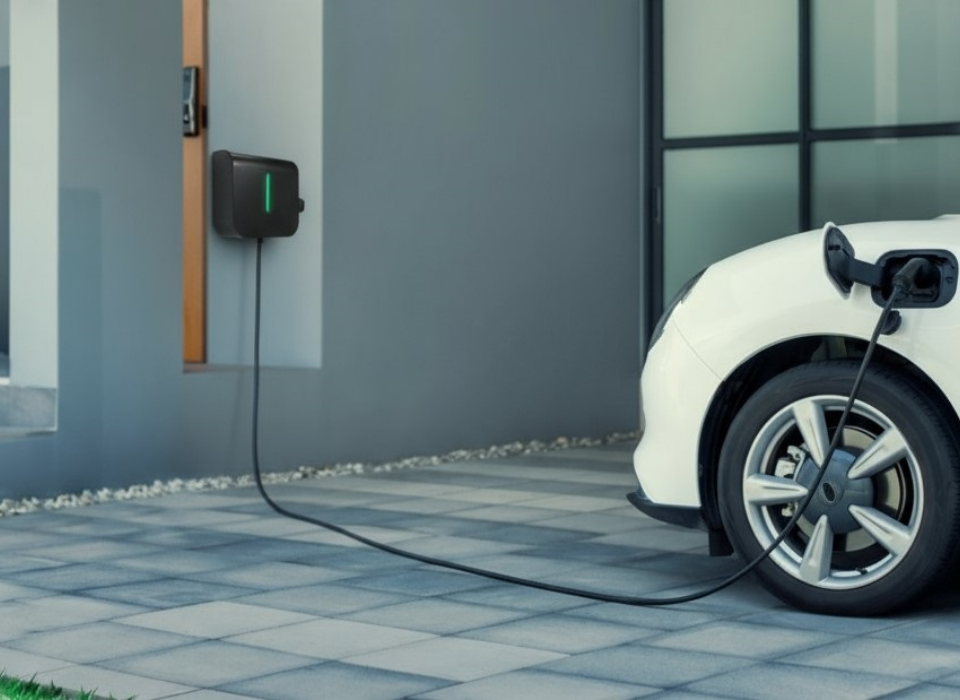
The regulation published in the Official Gazette on 23 March prioritizes integration of charging infrastructure into residential and site parking lots. This step is expected to initiate a structural transformation in Turkey's electric vehicle charging ecosystem.
Elaris, which operates in electric vehicle charging network management and charging station solutions, stated that the regulation will accelerate market growth momentum and expedite infrastructure investments.
Sector expected to exceed TRY 30 billion by 2030
Under the new regulation, a significant portion of electric vehicles is targeted to be charged in apartment and site parking lots by 2030. This transformation is expected to change urban mobility habits and increase accessibility of charging infrastructure.
The sector is projected to reach a size exceeding TRY 30 billion by 2030 with these developments.
Transformation aligned with global trends
International data supports a similar trend. According to International Energy Agency (IEA) data, 70–80 percent of electric vehicle users charge at home or the workplace. In some European countries, this ratio reaches as high as 85 percent.
These figures show that integration of charging infrastructure into living spaces has become a widespread model on a global scale.

Rising electric vehicle numbers increasing infrastructure demand
The rapid growth in electric vehicle numbers in Turkey is reinforcing the need for transformation. The number of electric vehicles, which stood at approximately 15,000 in 2022, exceeded 400,000 as of 2026. 2030 projections show this number reaching 1–1.5 million levels.
This growth demonstrates that public charging stations alone will be insufficient; residential and workplace-based charging solutions will play a critical role.
"User experience will improve"
Elaris Director Volkan Demir made the following comments regarding the regulation:
"With the new regulation by EPDK, which carries significant threshold characteristics in the electric vehicle ecosystem, we foresee acceleration in the integration of charging infrastructure into living spaces. This development will improve user experience while supporting broader adoption of electric vehicles."
"We will continue to support ecosystem growth"
Demir also noted that Elaris is actively contributing to the transformation, stating:
"As Elaris, we are contributing to this transformation through our complimentary electric vehicle charging station installation and charging network management services. We will continue to support ecosystem growth through solutions we have developed for Turkey's sustainable future."
Gallery