Yeşilay and ELTE Hold Symposium on AI-Focused Behavioral Addiction

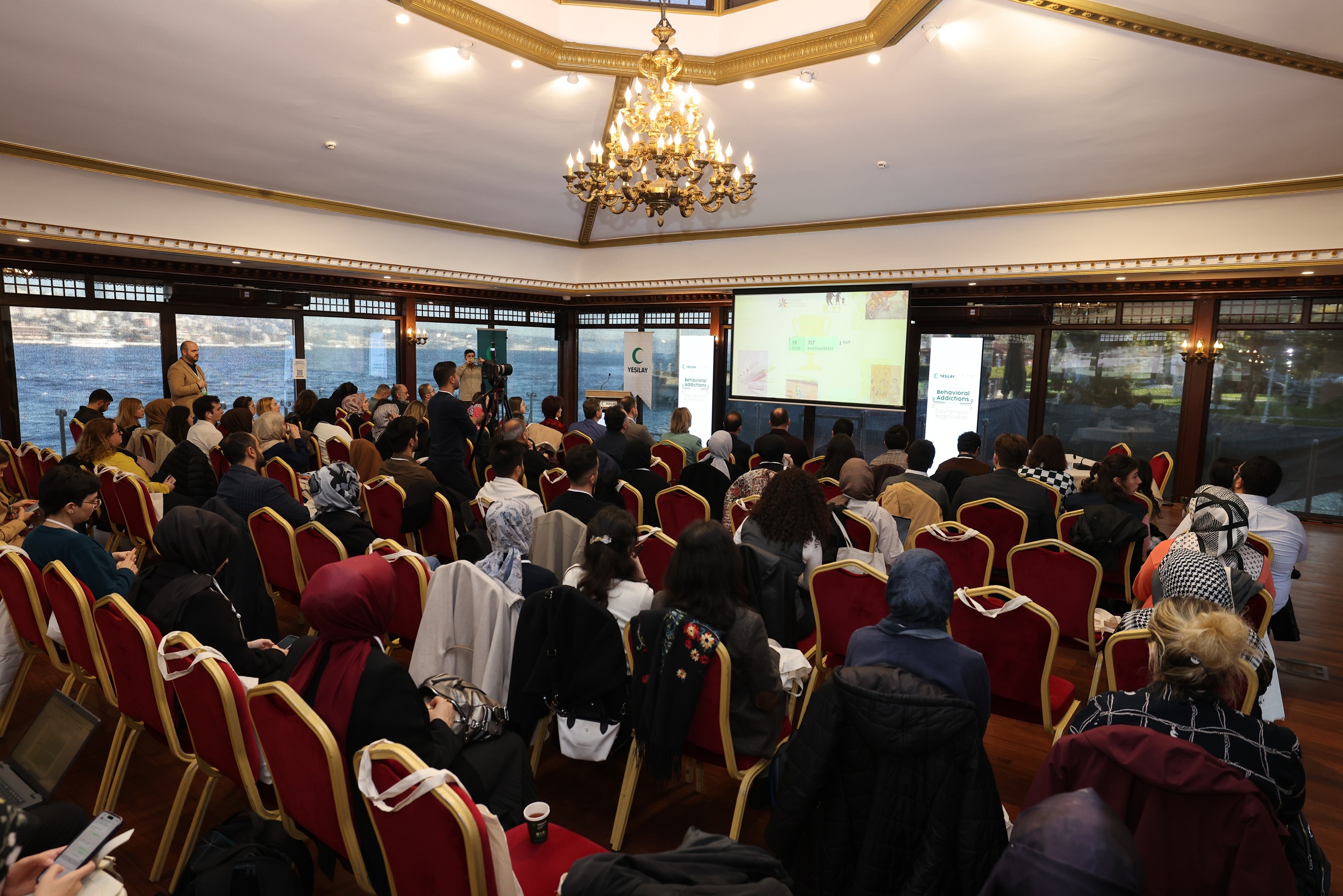
The "Behavioral Addictions Symposium: Artificial Intelligence and Beyond," organized in cooperation with Yeşilay and Hungary's Eötvös Loránd University (ELTE), was held at Yeşilay's headquarters, Sepetçiler Kasrı, in Istanbul. At the symposium, the effects of artificial intelligence on behavioral addictions were comprehensively discussed by international scientists and field experts.
A symposium titled "Behavioral Addictions Symposium: Artificial Intelligence and Beyond" was organized by Yeşilay in collaboration with Eötvös Loránd University (ELTE) of Hungary and held at the Yeşilay headquarters Sepetçiler Mansion in Istanbul. The symposium comprehensively addressed the effects of artificial intelligence on behavioral addictions by international scientists and field experts.
With 105 years of accumulated experience, Yeşilay has taken a pioneering role in the fight against addictions and continues its scientific activities in the field of behavioral addictions alongside concurrent work on alcohol, tobacco, substance, gambling and internet addictions. The symposium held in this context is significant as it marks the first time the issue of artificial intelligence-themed addiction has been addressed at an international level.
"Behavioral addictions are as destructive as chemical addictions"
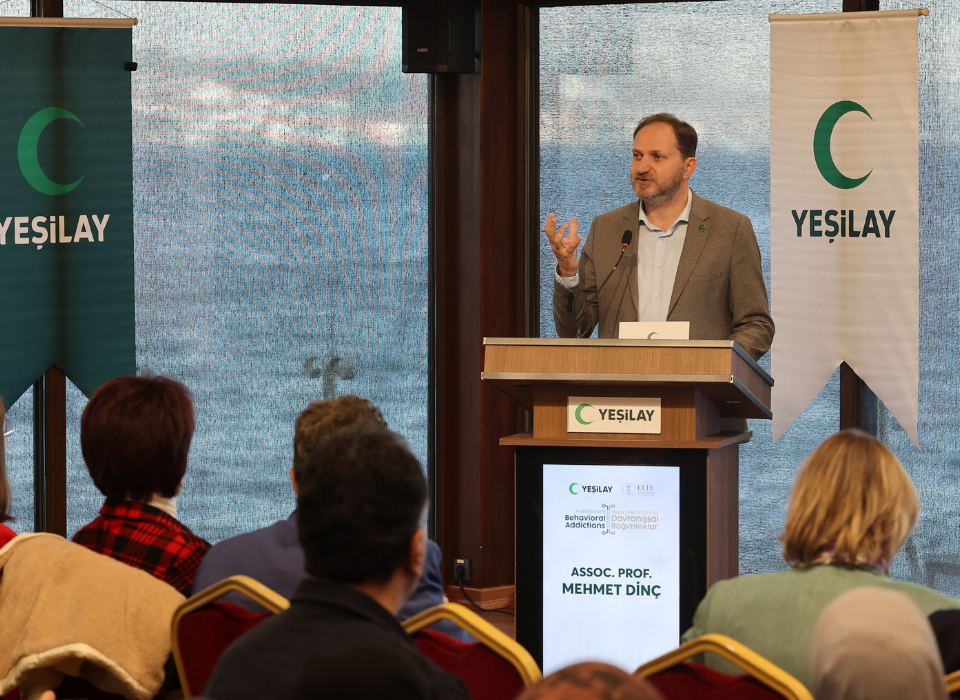
Assoc. Prof. Dr. Mehmet Dinç, General President of Yeşilay, delivered the opening remarks of the symposium, emphasizing the severe impacts that addiction has on human life and drawing attention to the critical importance of scientific studies:
"Addiction is one of the most severe processes that can befall a person. For this reason, for 105 years we have worked without interruption to strengthen society against addictions. Behavioral addictions have destructive effects that are at least as severe as chemical addictions."
Dinç also mentioned Yeşilay's collaborations with the World Health Organization, its contribution to the inclusion of behavioral addictions in ICD-11, and awareness training programs such as TBM, YYBE and others conducted for all age groups.
Problematic use of artificial intelligence increases addiction risk
The symposium discussed the effects of artificial intelligence technologies on the addiction cycle in light of scientific data. Prof. Dr. Attila Szabó, faculty member at ELTE and Széchenyi István University, stated in his presentation titled "Can Artificial Intelligence Use Turn into Addiction?" that artificial intelligence provides personalized, rewarding and emotional experiences, which increases addiction risk.
According to Prof. Dr. Szabó:
-Artificial intelligence attracts users by offering unpredictable rewards.
-The sense of social connection established through technology increases usage duration.
-Use for escape behavior and mood regulation purposes feeds the addiction cycle.
It was noted that problematic use of artificial intelligence manifests itself with symptoms such as impaired daily functioning, weakening of social relationships, restlessness and repetition of intensive use.
Comprehensive scientific sessions were held
Expert presentations were also delivered at the symposium on the following topics:
-Problematic eating behavior
-Problematic pornography use
-Gambling disorder
-Internet gaming disorder
-Loot box-based risky behaviors
-Compulsive sexual behavior in the context of trauma
-Smartphone addiction
-Exercise addiction
Participants consisted of Yeşilay Science Board members, academics, researchers and expert figures in the field of addictions.
Gallery