Are You Constantly Catching "Colds" Every Month? It Could Be Your Menstrual Cycle

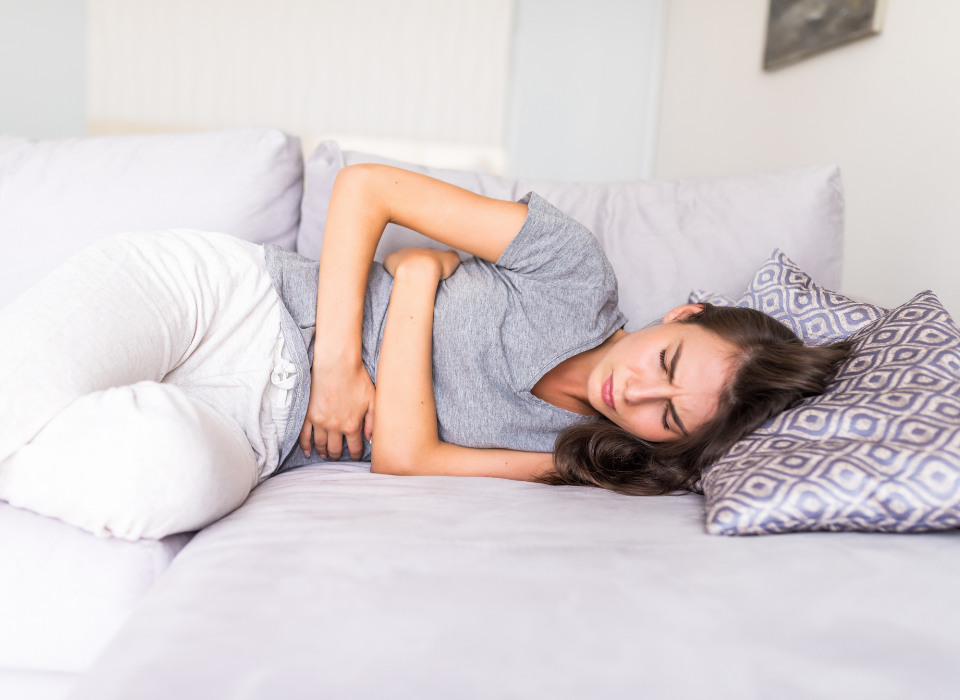
Runny nose, fatigue, headache, muscle aches and a mild sore throat… While these symptoms are often associated with the flu or a common cold, some women experience similar complaints recurring each month before their menstrual period. Commonly referred to as "period flu" or "menstrual flu," this condition describes temporary symptoms arising from hormonal changes rather than a medical infection.
Runny nose, fatigue, headache, muscle aches and mild throat discomfort… While these symptoms are often associated with flu or the common cold, some women experience similar complaints repeatedly in the days before their menstrual period. Commonly referred to as "period flu," "menstrual flu" or "period cold," this condition refers to temporary symptoms arising from hormonal changes rather than a medical infection.
Op. Dr. Gülsün Soypaçacı, Obstetrician and Gynaecologist at Batıgöz Sağlık Grubu Balçova Surgical Medicine Centre, notes that these symptoms experienced during the pre-menstrual period are often confused with viral infections, emphasizing the importance of women understanding their body cycles.

What is Period Flu? Not a Real Disease
Op. Dr. Soypaçacı stresses that period flu is not an infection-based disease and shares the following information:
"Period flu does not stem from a virus like influenza or the common cold. It is a cyclical condition that arises entirely from hormonal fluctuations. In other words, the body does not catch germs; it simply responds to hormonal changes."
The drop in oestrogen and progesterone levels in the period near menstrual bleeding following ovulation can temporarily affect the immune system. This can cause the body to experience flu-like symptoms.
Why Does It Feel Like Flu?
According to experts, the condition experienced in the pre-menstrual period is related to hormonal changes as well as premenstrual syndrome (PMS). During this period:
Fatigue
Muscle and joint pain
Weakness
Emotional sensitivity
may become more pronounced. Stress, irregular sleep and a hectic pace of life can also exacerbate these symptoms.
How to Distinguish Period Flu from Real Flu?
Op. Dr. Soypaçacı notes that correctly evaluating the differences between the two conditions can prevent unnecessary medication use and draws attention to the following points:
• Timing:
While flu can start suddenly at any time of year, period flu typically appears within 3–7 days before menstruation and diminishes with the onset of menstruation.
• Fever:
While high fever is common in real flu, significant fever is rare in period flu.
• Respiratory symptoms:
While flu may involve intense coughing and sore throat, period flu typically involves mild nasal congestion and discharge.
• Distribution of pain:
While flu causes widespread pain throughout the body, pre-menstrual pain typically concentrates in the lower back, groin and lower abdomen.
• Duration:
While flu typically lasts 7–10 days, symptoms resembling period flu typically disappear on their own shortly after menstruation begins.
The Immune System is Also Affected
Changing hormone levels throughout the menstrual cycle can temporarily affect how the immune system functions. For this reason, some women may feel more sensitive and fatigued in the pre-menstrual period. However, this condition does not always indicate infection.
When Should Expert Opinion Be Sought?
It is recommended to consult a specialist in the following cases:
High fever
Severe coughing
Shortness of breath
Prolonged symptoms
Complaints that significantly affect daily life
Reading Your Body Correctly is Important
Prostaglandins released during the pre-menstrual period trigger contractions while creating an inflammatory response in the body. This can intensify flu-like feelings such as weakness and pain.
Recommendations for a More Comfortable Period
Op. Dr. Soypaçacı offers the following recommendations to make this period pass more comfortably:
Reduce salt, sugar and caffeine intake
Prefer magnesium-rich foods
Perform light exercise and walking
Monitor whether symptoms are cyclical
"The female body goes through a natural cycle every month. These symptoms are often not an illness but a natural consequence of hormonal changes. However, if they seriously affect quality of life, specialist evaluation is absolutely necessary."
— Op. Dr. Gülsün Soypaçacı
Gallery