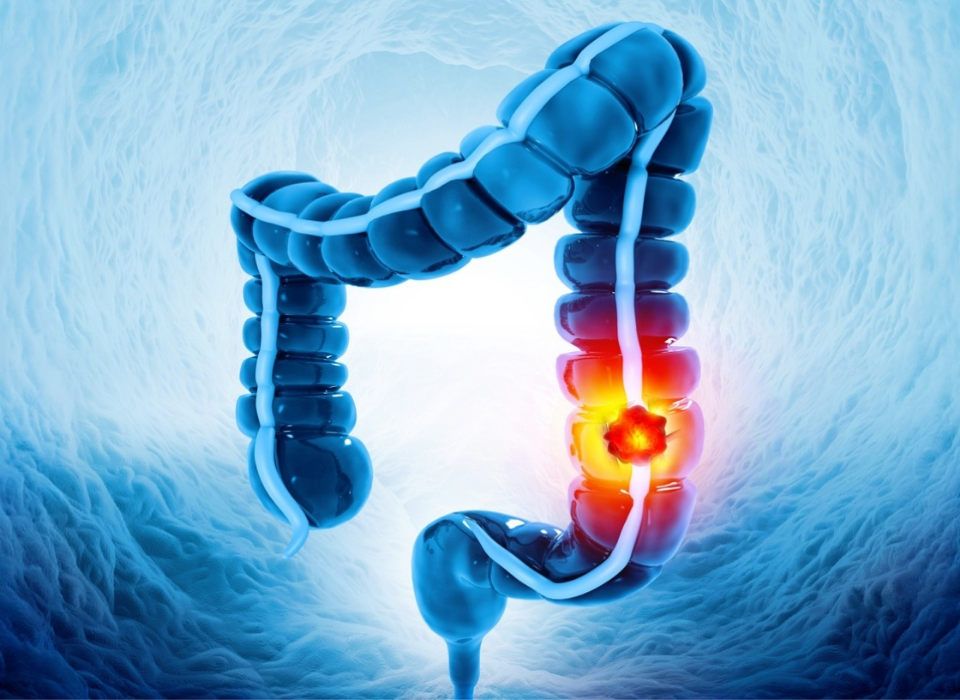
Colon Cancer Risk in Long-Term Ulcerative Colitis Requires Close Monitoring

Experts point out that factors such as the duration, extent and activity of the disease are important in assessing colon cancer risk in patients who have been living with ulcerative colitis for a long time.
Experts emphasize that in patients with long-standing ulcerative colitis, factors such as disease duration, extent and activity are important in assessing colon cancer risk.
Ulcerative colitis, among chronic bowel diseases, can create a higher risk for colon and rectal cancer in some patients due to prolonged bowel inflammation. Experts stress the importance of regular check-ups and personalized follow-up programs, particularly in disease that has been ongoing and active.
Prof. Dr. Selçuk Mercan, General Surgery Specialist at Istanbul Okan University Hospital, notes that regular monitoring and colonoscopic evaluation are important in chronic bowel diseases such as ulcerative colitis and Crohn's disease.
Risk varies according to disease characteristics
Colon cancer risk in ulcerative colitis patients is associated with factors such as disease duration, the extent of bowel involvement, whether inflammation is controlled and family history of colon cancer.
Closer follow-up may be needed particularly in ulcerative colitis cases affecting the entire colon and showing active disease for a prolonged period. Prof. Dr. Selçuk Mercan points to the importance of controlling chronic ulcerative colitis, noting that in some patients, more extensive cancers can develop alongside sporadic colon cancers.
According to experts, colon cancers developing on the basis of ulcerative colitis may show different biological characteristics from sporadic colon cancers more commonly seen in the population. Therefore, follow-up plans should not be limited to general cancer screening recommendations alone; the characteristics of the disease must also be considered.

Inflammation and structural changes can complicate diagnosis
Detection of early-stage pre-cancerous changes or tumors in ulcerative colitis patients may be difficult in some cases. Widespread inflammation of the bowel surface, pseudo-polyps, tissue sensitivity and structural changes due to chronic disease can make it difficult to identify certain lesions.
For this reason, it is important that patients adhere to follow-up programs determined by their physicians and undergo recommended colonoscopic evaluations on time. Controlling disease activity also plays a role in managing long-term risks.
Single case cannot be generalized to all patients
A case cited in medical literature describes the detection of an adenocarcinoma approximately 3.5 centimeters in diameter in the rectal region in a patient under long-standing ulcerative colitis diagnosis.
Experts state that this finding obtained from a single patient cannot be generalized to all ulcerative colitis patients. However, the case in question is regarded as one of the examples highlighting the importance of regular and comprehensive monitoring in chronic bowel diseases.
Follow-up programs created according to personal risk factors in patients with long-standing ulcerative colitis can help detect possible pre-cancerous changes or cancer development at an earlier stage. Early diagnosis, in turn, can enable treatment options to be planned more effectively according to the patient's condition.
Gallery