From the Sabri Ülker Foundation: Recommendations for Preserving Circadian Rhythm During Ramadan

The "Circadian Rhythm," which refers to the 24-hour functioning of the human body, changes during Ramadan due to shifts in eating and sleeping patterns. Studies show that it is possible for the body's internal clock to continue functioning properly during Ramadan as well, provided that correct eating and sleeping habits are maintained.
"Circadian Rhythm," which describes the body's 24-hour functioning, changes during Ramadan due to differences in nutrition and sleep patterns. Research shows that the body's internal clock can continue to function during Ramadan with proper nutrition and sleep schedules.
Sabri Ülker Vakfı, which continues its work to communicate scientific information to society in the fields of nutrition, food and healthy living, drew attention to the importance of preserving circadian rhythm during Ramadan at a "Healthy Conversations in Ramadan" event organized at Yıldız Holding Çamlıca Campus. Doctor-Dietitian Gamze Şanlı Ak, Dietitian Berrin Yiğit and Neurology Specialist Doctor Gökçen Hatipoğlu shared tips with Yıldız Holding employees on creating a lifestyle aligned with circadian rhythm during Ramadan through sample suhoor and iftar menus, preventing dehydration, maintaining energy levels and improving sleep quality.
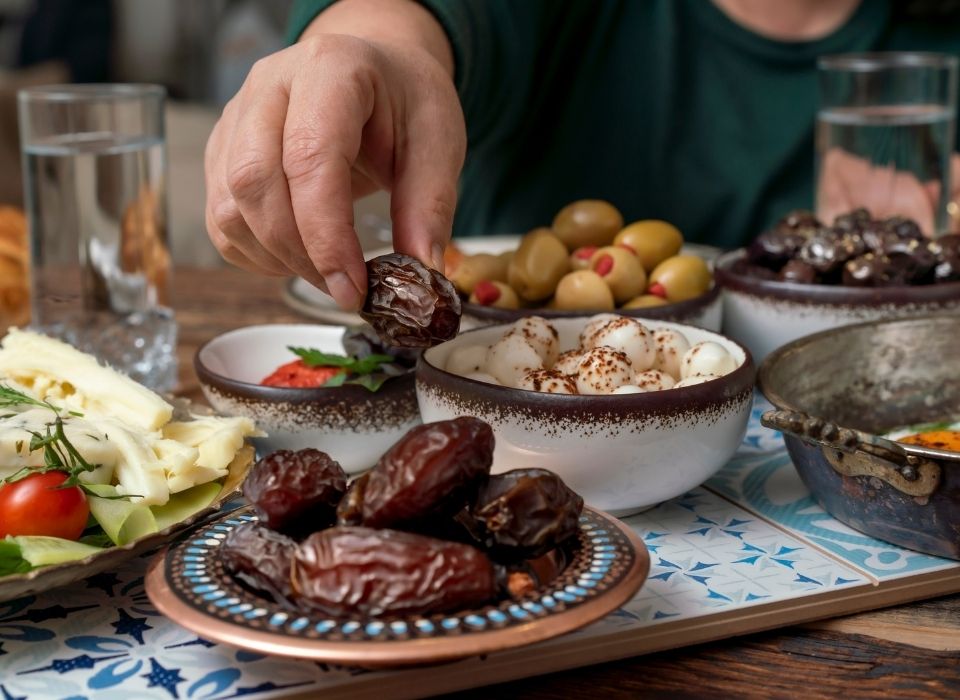
Doctor-Dietitian Gamze Şanlı Ak recommended planning iftar with soup and light foods, followed by the main meal 10-15 minutes later to support stomach health. To minimize the effects of circadian rhythm changes on metabolism, Ak made the following recommendations: "In the first stage of iftar, a combination of water, dates and soup should be consumed, while in the second stage a balanced plate consisting of protein, healthy fats and complex carbohydrates should be prepared.
To keep blood sugar balanced throughout the day, suhoor should include rich protein sources like eggs, complex carbohydrates like whole grain bread, and healthy fat sources like walnuts and almonds to extend satiety. Additionally, digestion should be supported with probiotic-containing foods like yogurt and kefir. Since it will make digestion difficult, instead of heavy, overly sweet and syrupy desserts immediately after iftar, but at least 1 hour later, milk-based or fruit-based desserts that raise blood sugar in a balanced way such as gullac or baked apples should be preferred."
Exercise Should Continue During Ramadan
Dietitian Berrin Yiğit stated that exercise should continue during Ramadan and continued as follows: "The most suitable time for exercise is 1-2 hours after iftar. Since the body that remains hungry all day may experience increased muscle loss, heavy exercise should not be done before iftar; light-intensity activities such as walking or yoga should be preferred. During fasting, emotional eating urges rather than hunger can sometimes come into play. Focusing on different topics other than nutrition and engaging in social interaction during the day will help make this period more comfortable. Since insufficient fluid is consumed during the day, at least 2-2.5 liters of water should be consumed at intervals from iftar to suhoor, and herbal teas should be consumed instead of caffeine-containing beverages like tea and coffee that cause water loss from the body.
Recommendations for Healthy Sleep During Ramadan
Neurology Specialist Doctor Gökçen Hatipoğlu, noting that heavy meals at iftar and suhoor and sleeping immediately after suhoor disrupt circadian rhythm, listed recommendations for maintaining sleep patterns as follows: "A light-paced walk should be taken after iftar to facilitate digestion and prepare for sleep. Heavy meals should not be eaten at suhoor, and sleep should not be entered immediately after eating. A relaxing environment should be created before sleep. To increase melatonin secretion, dim lighting should be maintained in the evening hours and relaxing activities should be performed before bed. By avoiding screens before sleep, melatonin secretion should be supported. To reduce the feeling of fatigue, sleep duration should be regular and attention should be paid to exposure to light at waking time. Light exercise before suhoor and short daytime naps should be done as they will provide an energy boost to the body."
Gallery