Turkey's Diabetes Report Card Is Worsening

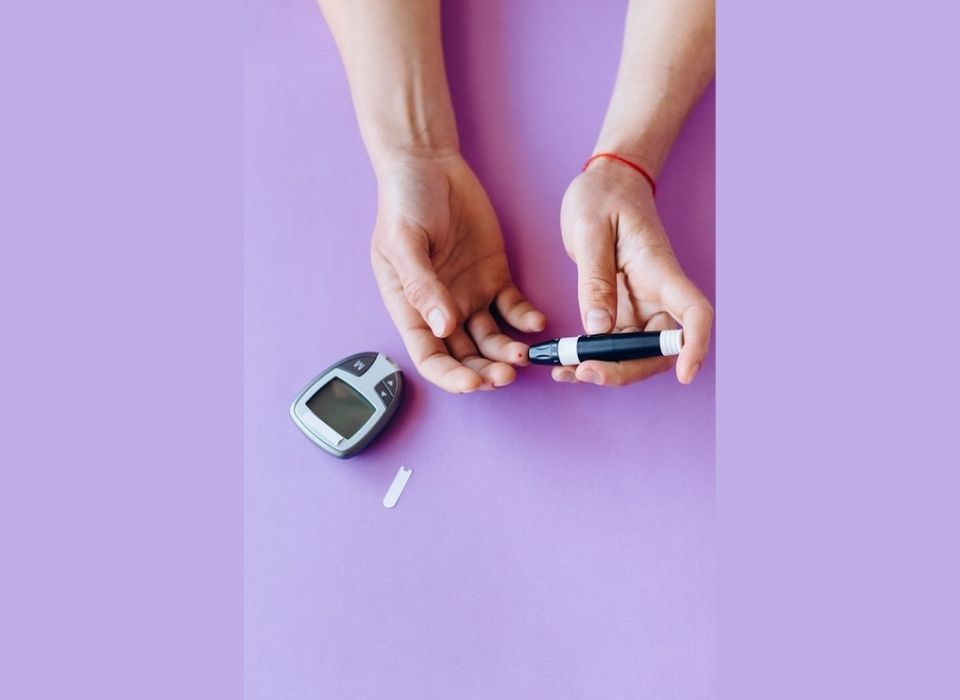
Diabetes, which develops as a result of insulin resistance, insulin deficiency, or a combination of both and leads to high blood sugar, continues to threaten the entire world.
Diabetes, which develops depending on insulin resistance, insulin deficiency or both occurring together and leads to high blood sugar, continues to pose a threat to the entire world.
Prof. Dr. Fulya Akın, Specialist in Endocrinology and Metabolic Diseases at Anadolu Sağlık Merkezi Hospital, stated that while the number of diabetic patients worldwide was 526 million in 2021, this figure is projected to reach 700 million by 2045, and said, "In our country, it is estimated that at least 15 out of every 100 people over 20 years of age have diabetes. Turkey, which already ranks third among European countries with the highest number of diabetic patients, is expected to enter the top 10 countries with the highest diabetic population in the world by 2045."
Prof. Dr. Fulya Akın, Specialist in Endocrinology and Metabolic Diseases at Anadolu Sağlık Merkezi Hospital, noting that diabetes has two types: Type 1 and Type 2, stated, "In Type 1, the insulin-producing cells in the pancreas are damaged, while in Type 2, insulin resistance develops. Type 1 diabetes usually begins during childhood and youth, with genetic predisposition and environmental factors playing a role in its development. Type 2 diabetes typically appears after the age of 30-40, its frequency increases with age and carries a strong genetic predisposition. However, in recent years, due to changes in lifestyle and increasing obesity rates, Type 2 diabetes is also being seen in young people and children."
Diabetes increases the risk of cardiovascular disease threefold
Emphasizing that diabetes is the most important cause of kidney failure, Prof. Dr. Fulya Akın stated, "The classic symptoms of diabetes include frequent urination, excessive thirst, increased appetite, weakness and dry mouth, while less common findings include unexplained weight loss, blurred vision, recurrent fungal infections and itching. Untreated diabetes damages the kidneys, blood vessels and heart in advanced stages and can even lead to blindness in adults." She noted that cardiovascular diseases are seen 2-3 times more frequently in diabetic patients, expressing, "The most common cause of foot amputation after traffic accidents is diabetes, which underscores the severity of the disease."
"Sweet urine" can be prevented through lifestyle changes
Prof. Dr. Akın, explaining that the Egyptians in the 1500s used the term "sweet urine" for diabetes after noticing that urine becomes sweet with rising blood sugar levels, stated, "This condition, which has persisted for centuries, requires careful and continuous monitoring. Through lifestyle changes such as healthy nutrition, physical activity and avoiding obesity, the risk of Type 2 diabetes development can be prevented at a rate of 40-58 percent. In Type 1 diabetes, since there is insulin deficiency, insulin supplementation is mandatory."
Gallery